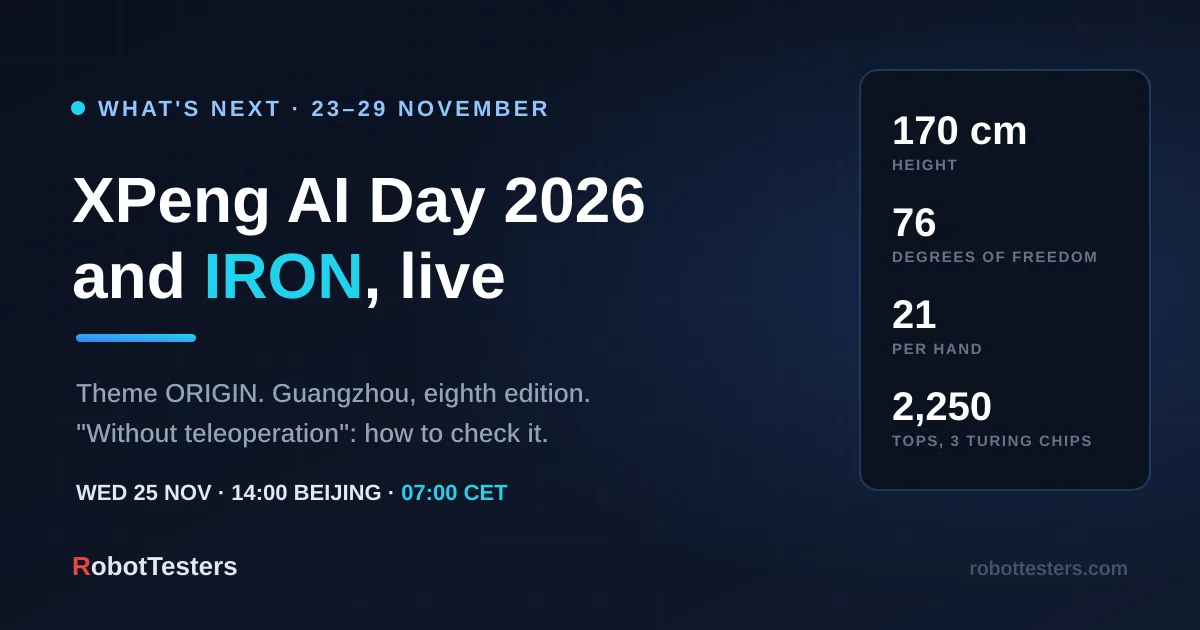
XPeng AI Day 2026: What to Watch, and How to Judge IRON
XPeng says IRON will work on stage without teleoperation. The start time in Europe, what was promised, and the five things that tell a real demo from a rehearsed one.

Every article we publish, newest first. Hands-on reviews, what a new humanoid actually costs and when it ships, who runs the companies, and the engineering underneath the demos: actuators, simulation, control, the lot. One lane, no "coming soon" pile on the side.
XPeng says IRON will work on stage without teleoperation. The start time in Europe, what was promised, and the five things that tell a real demo from a rehearsed one.
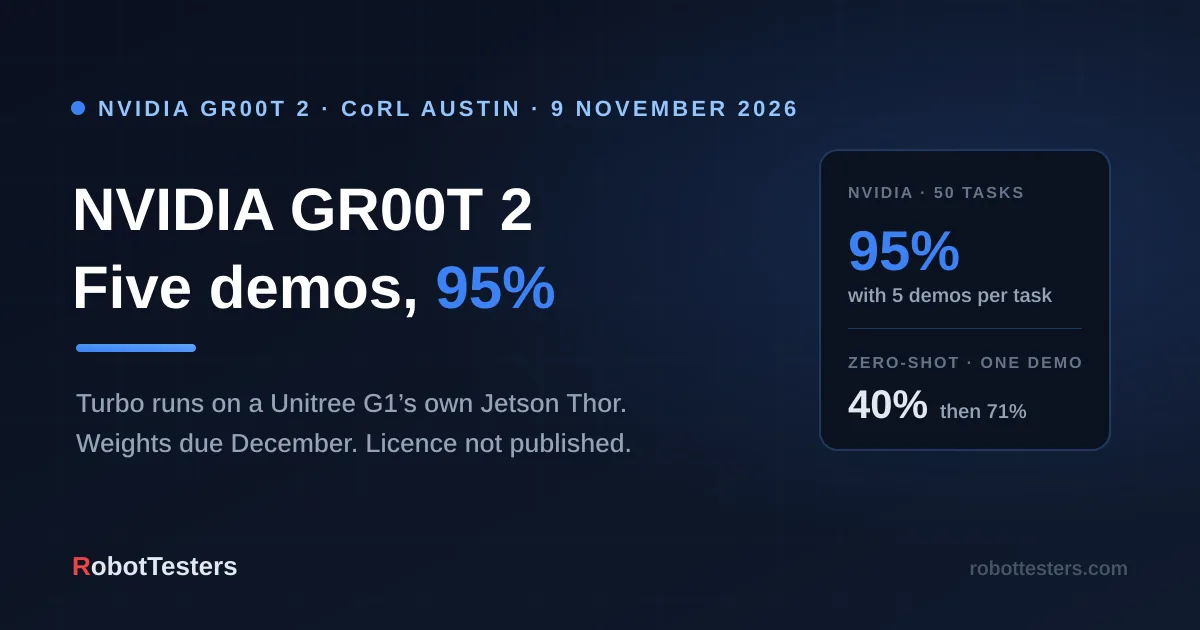
GR00T 2 learns new tasks from five demonstrations and runs on a Unitree G1. What you can download today, what waits for December, and the numbers to read twice.
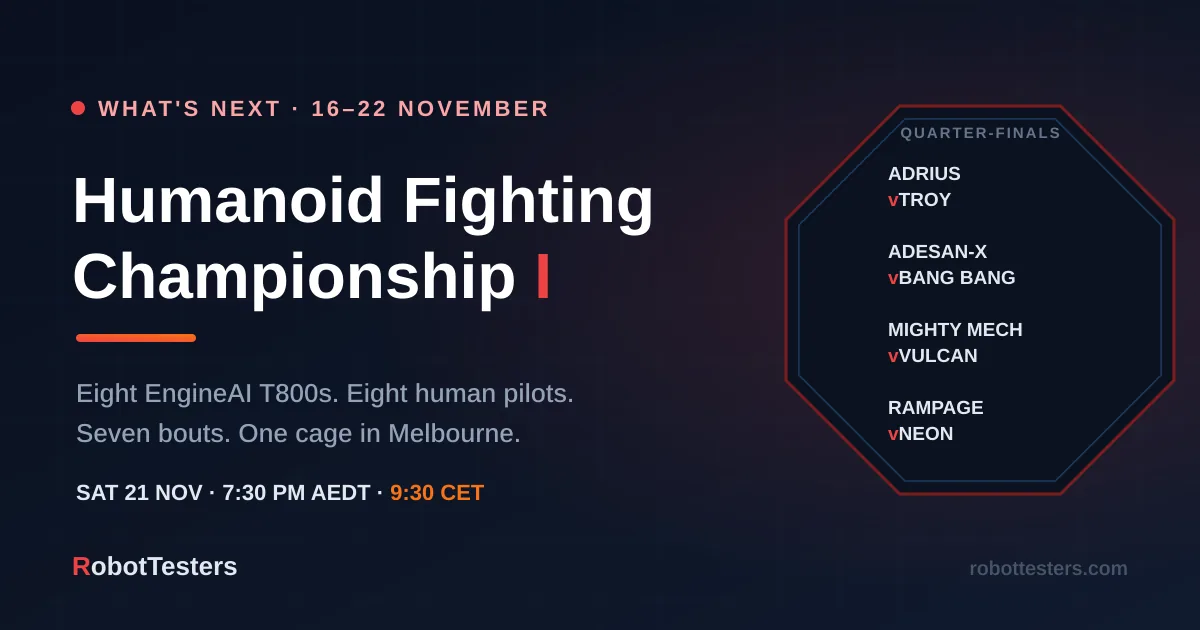
Eight identical robots, so the pilots and the repair crews decide it. The bracket, the scoring, the start time in Europe, and how to tell a real fight from a staged one.
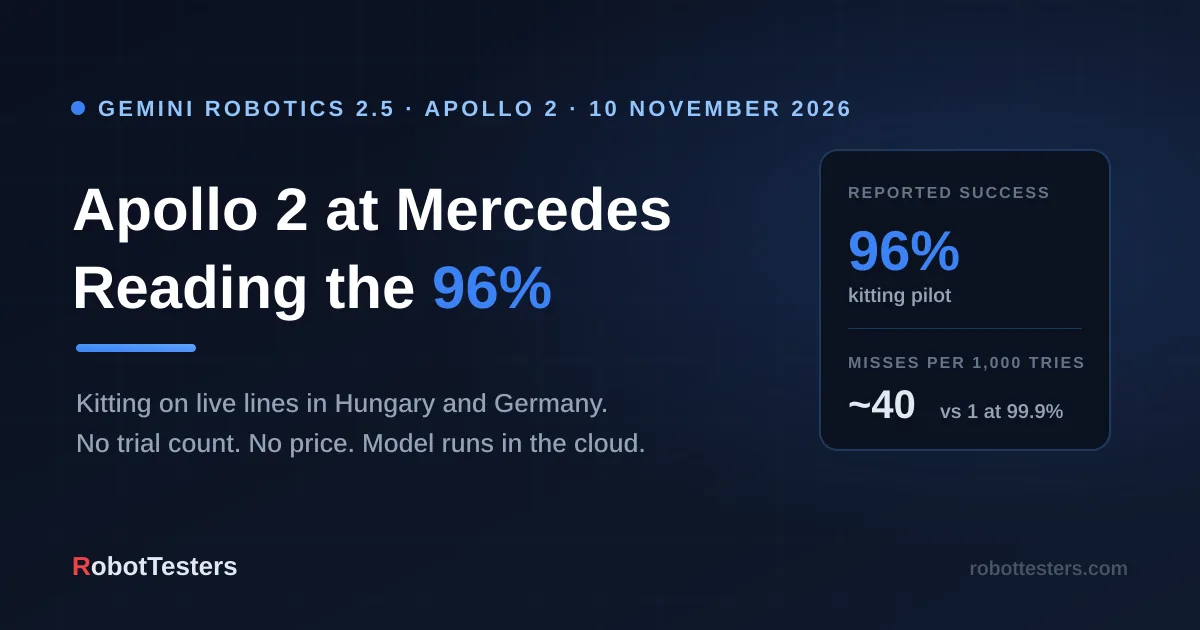
Apollo 2 kitted car parts on live Mercedes lines with a reported 96% success rate. What the pilot shows, and the trial count it still doesn't publish.
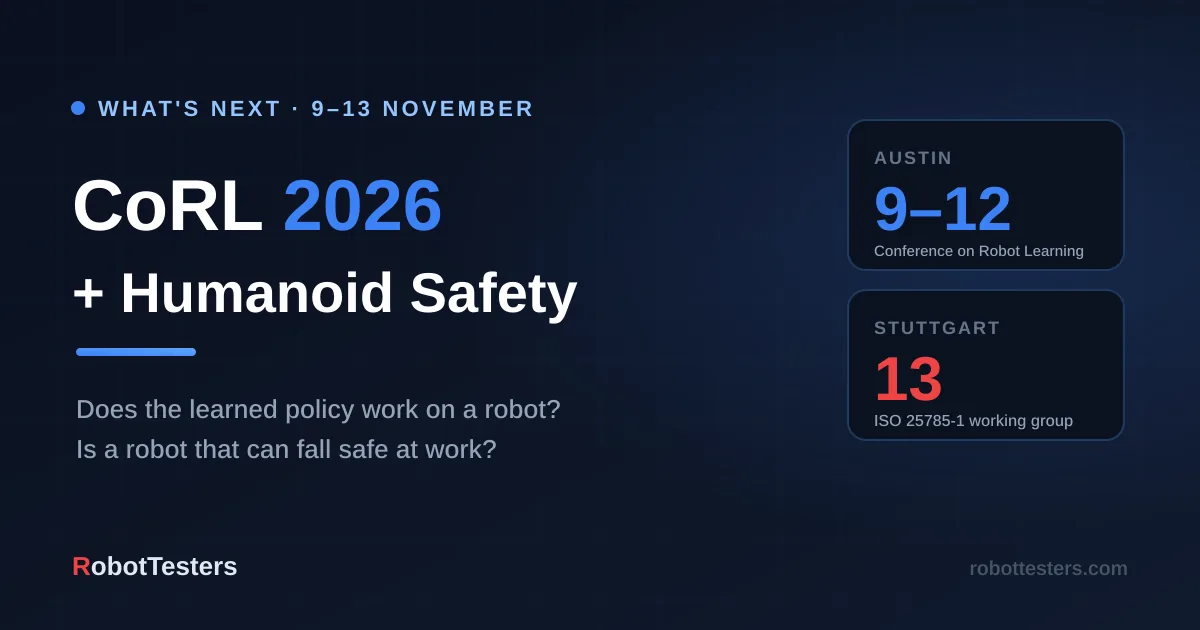
Austin asks whether learned robot policies hold up on hardware. Stuttgart asks whether a humanoid that can fall is safe in a factory.
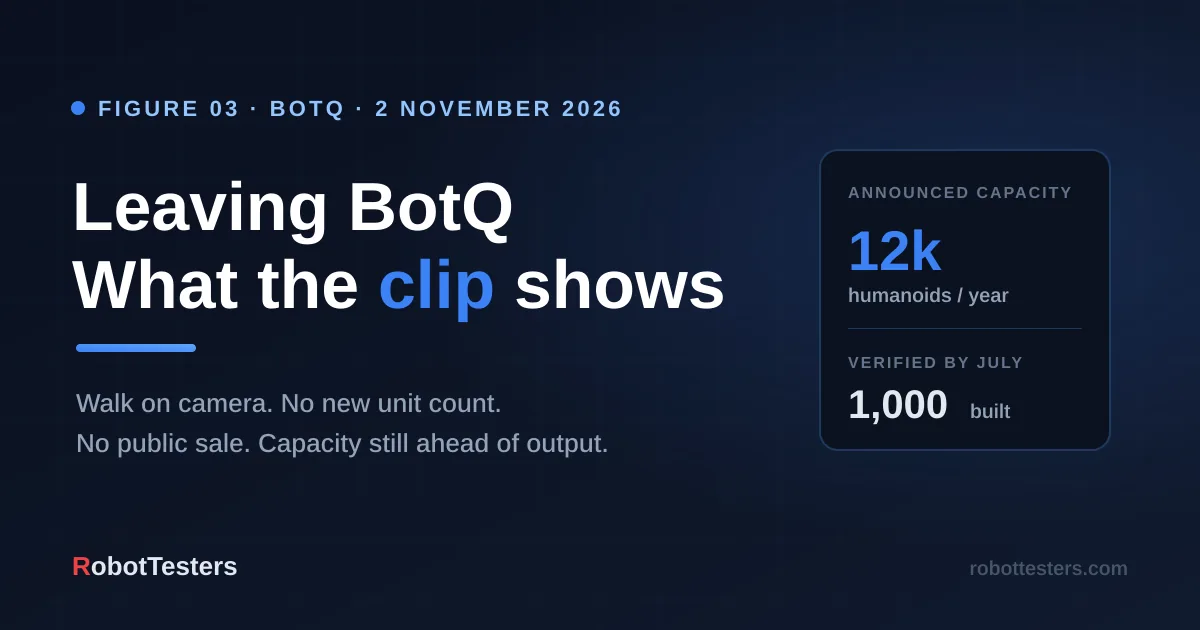
On 2 November Brett Adcock posted newly built Figure 03s walking out of BotQ. No new count, no autonomy claim, and no public way to buy one.
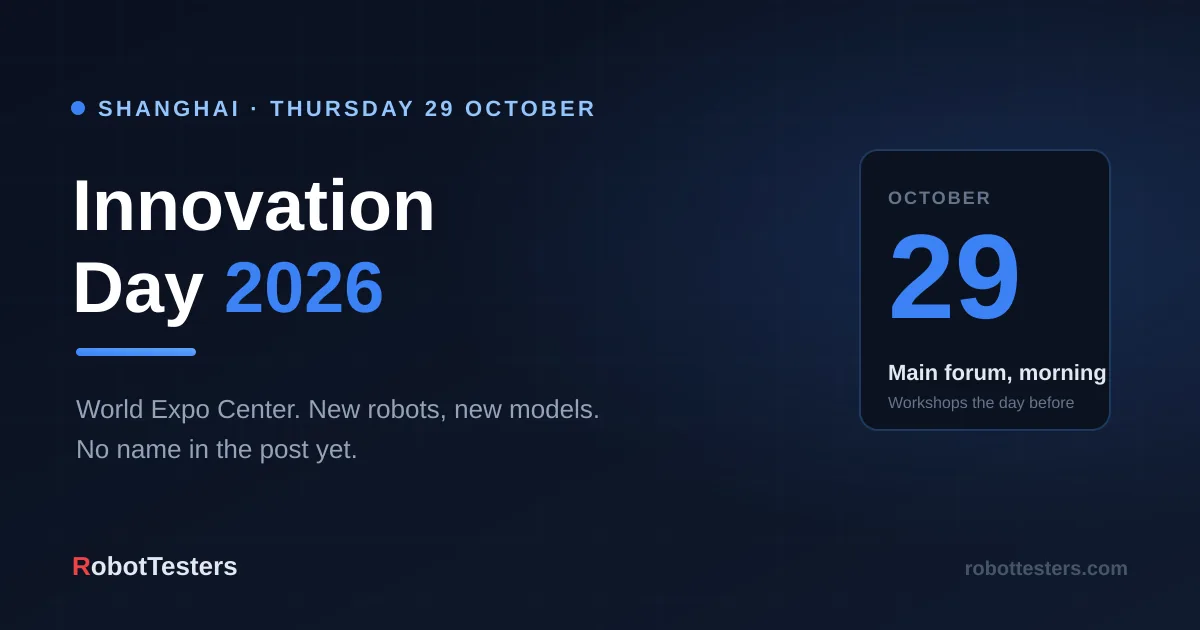
Thursday 29 October at the Shanghai World Expo Center. AgiBot has said new robots and new models, and a morning forum in Shanghai time. The name, the price, and the buy date wait for the day.
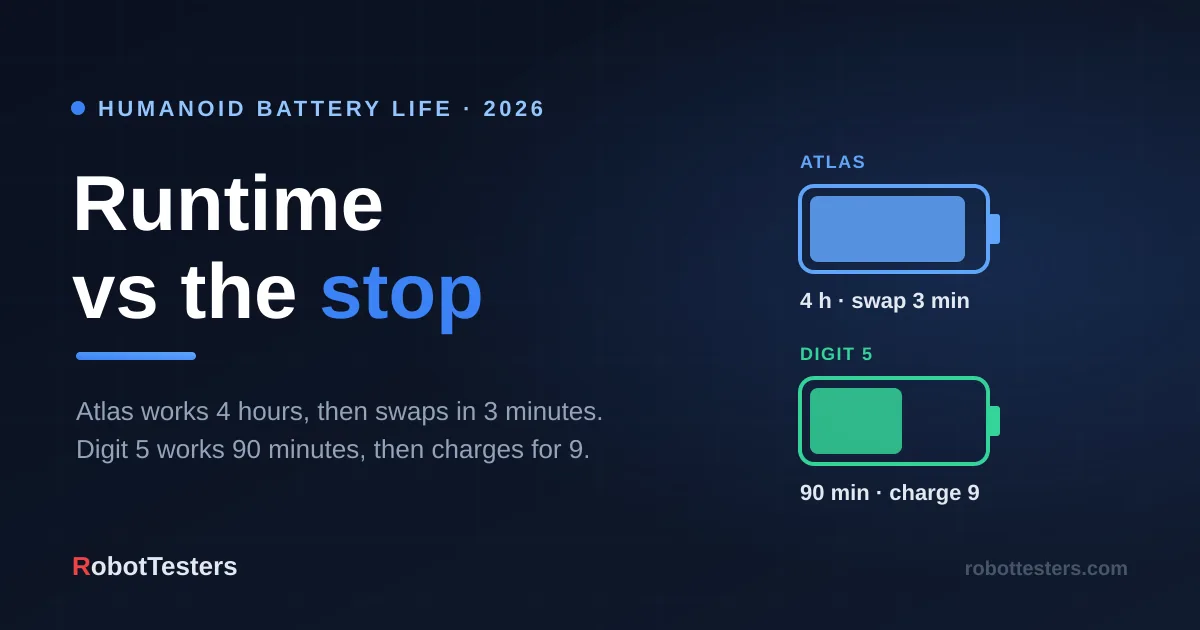
Atlas publishes 4 hours and a 3-minute autonomous swap. Digit 5 publishes 90 minutes and a 9-minute charge. Optimus publishes neither. Official runtimes, the blanks, and what an 8-hour shift takes.
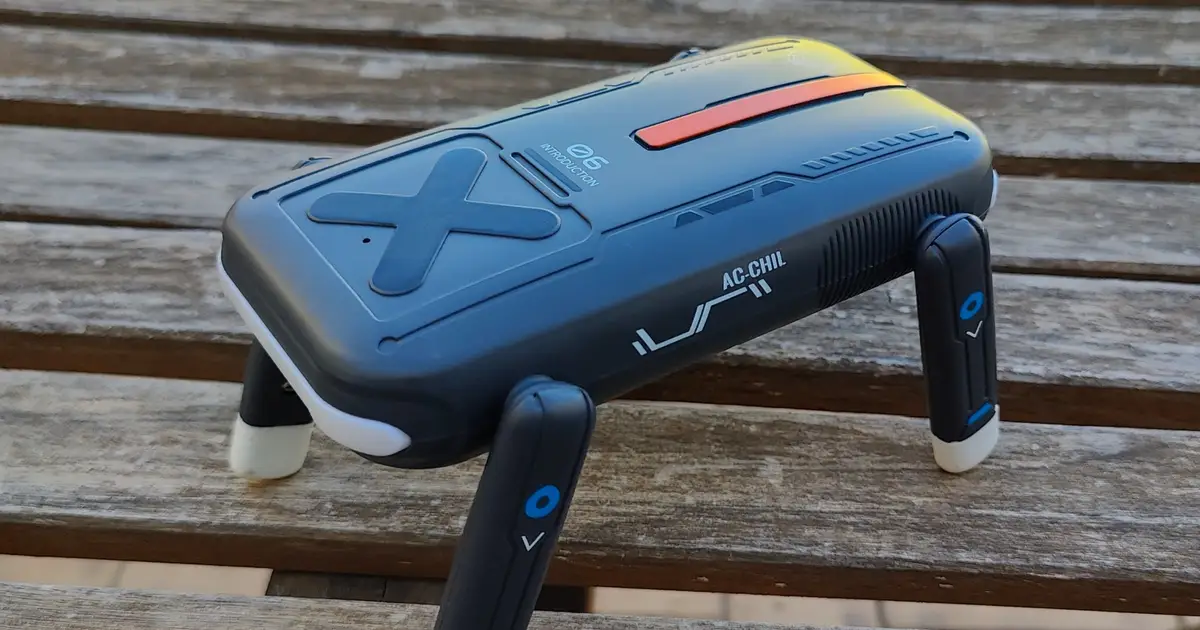
Hands-on with the $49.99 Ruko R1: 360° flips in four directions, a body that rights itself, a gesture watch and no AI at all. It can't hear an order, so it's a toy, not a robot — and one of the best first robots a small child can get.
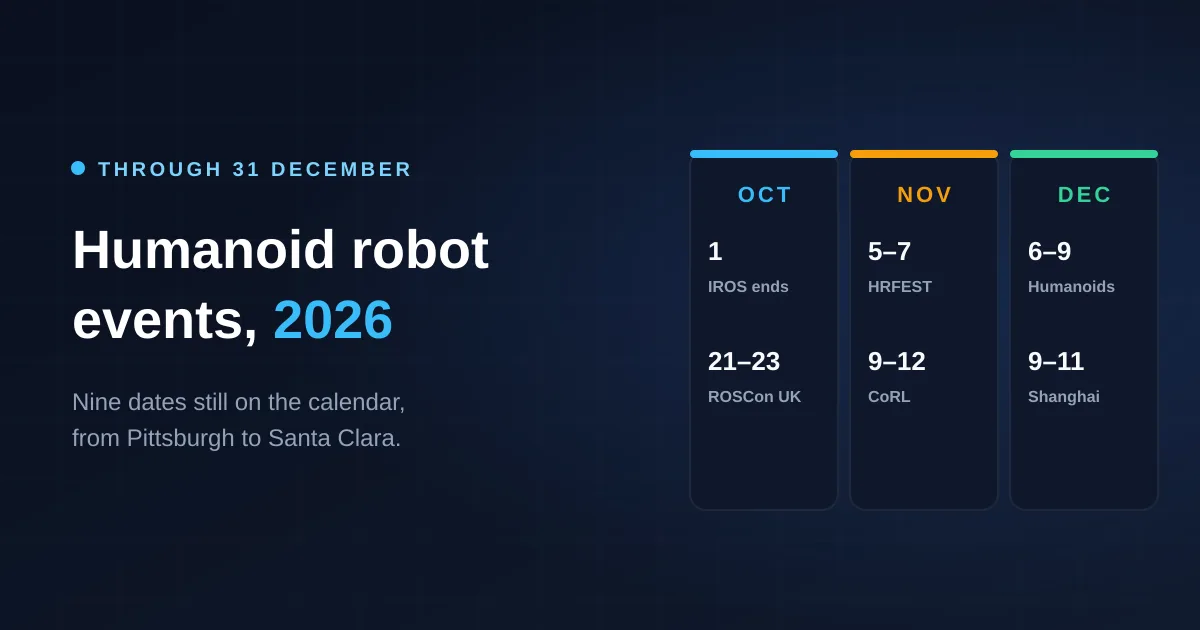
Nine humanoid and physical-AI dates are still on the calendar through 31 December. IROS is already open in Pittsburgh. The one to book is Humanoids, 6–9 December in Santa Clara.
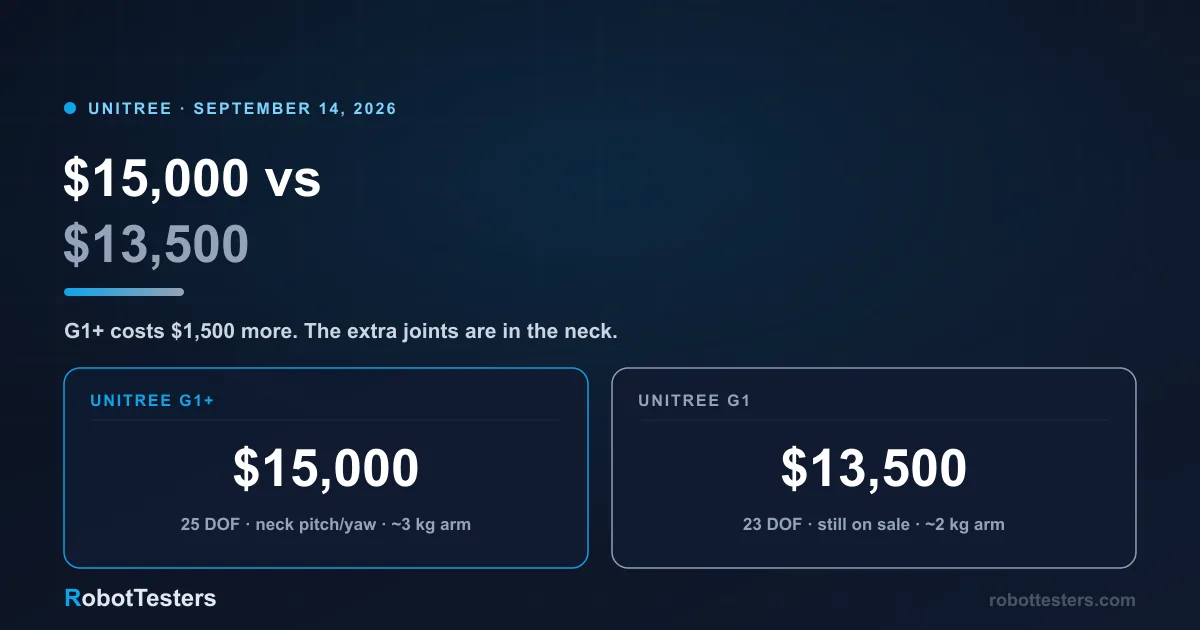
Unitree listed G1+ at $15,000 on 14 September, $1,500 above the still-on-sale G1. Two extra neck DOF, a claimed 3 kg arm, cooler motors. Keep G1 if the torso already points at the table.
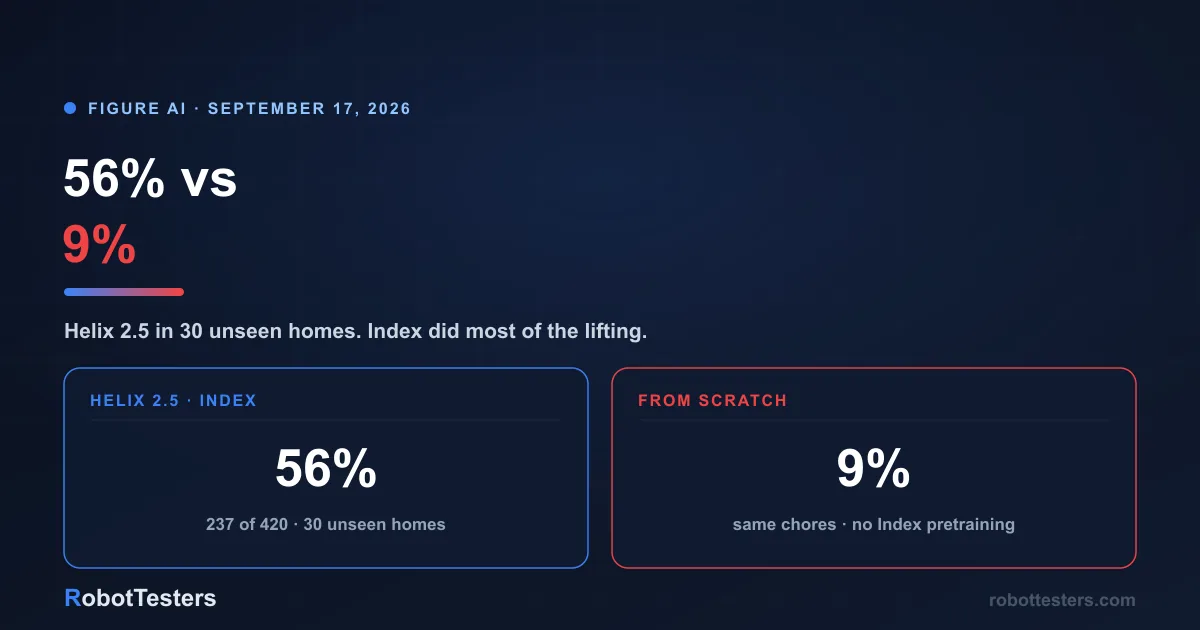
Figure's Helix 2.5 completed 237 of 420 household trials across 30 unseen Bay Area homes — 56%. Index pretraining lifted a from-scratch baseline of 9%. Beds 67%, towels 62%, toys 40%. Progress, not a housekeeper, and you still cannot buy Figure 03.
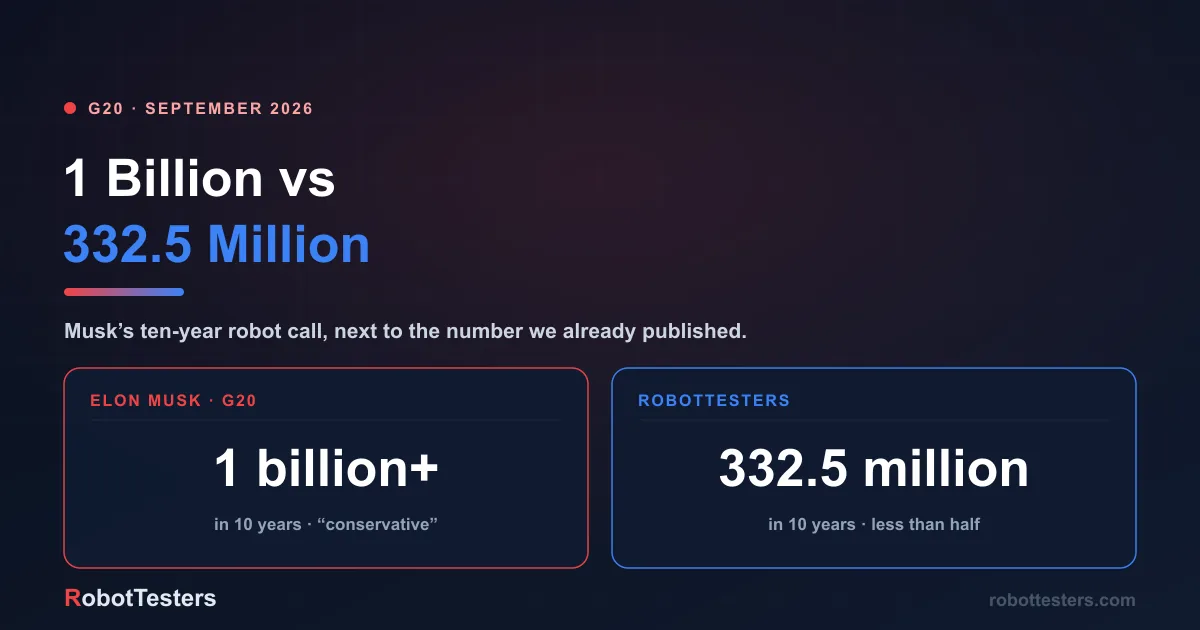
Musk told the G20 there will be well over a billion humanoid robots in ten years. We already put 332.5 million on the record — less than half. Why his number is too high, why the products he bets on still win, and why hundreds of millions of robots will show up anyway.
XPeng's robotics subsidiary raised over $900 million at a $6.3 billion valuation — more than half the listed carmaker. IDG led; Tencent and Alibaba sat as strategics. The robot now outweighs the cars.
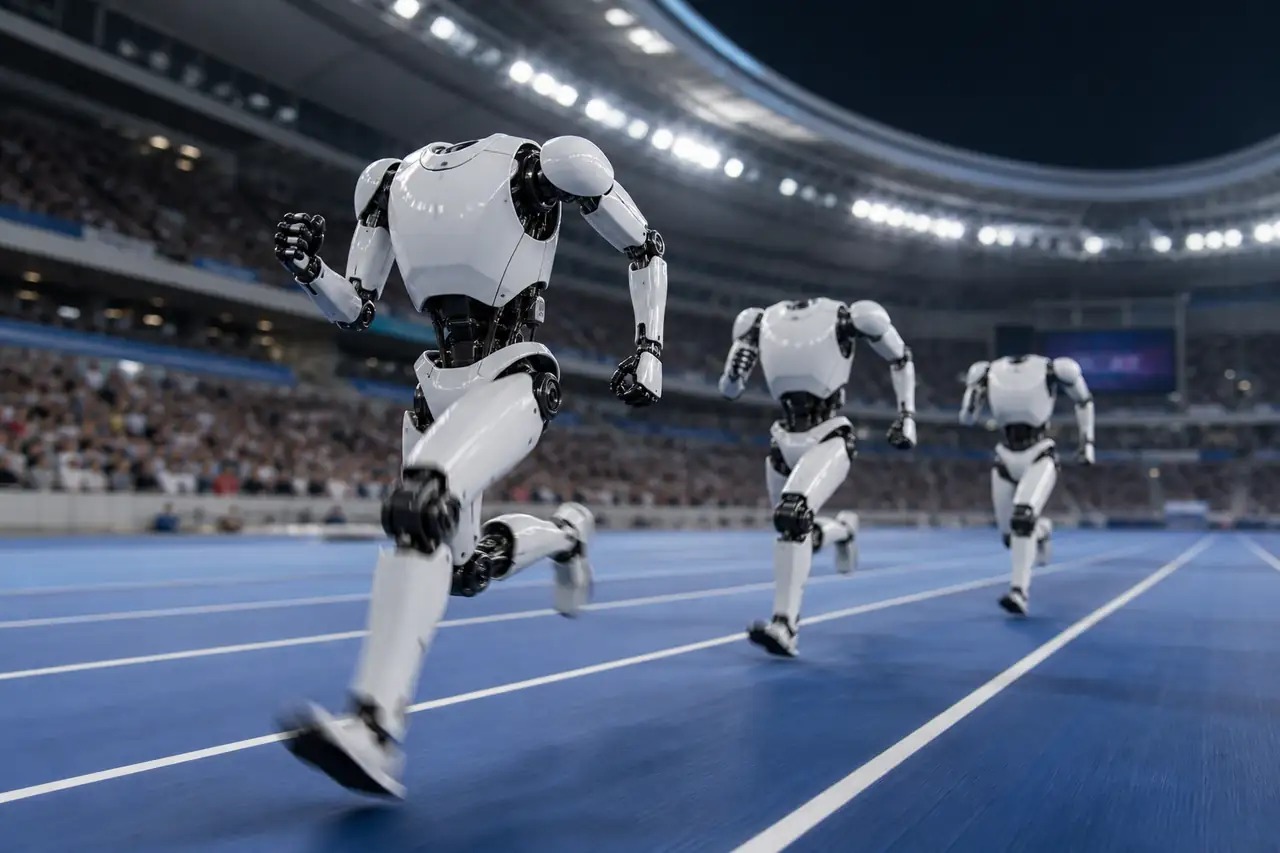
Tiangong Ultra ran 100m heats in 9.32s, 400m in 38.15s and 1500m in 2:21.64 — all faster than the human world records. Innovation Center teams own the track; AgiBot owns the factory-floor medals; Unitree finished last in the opening 100m heat.
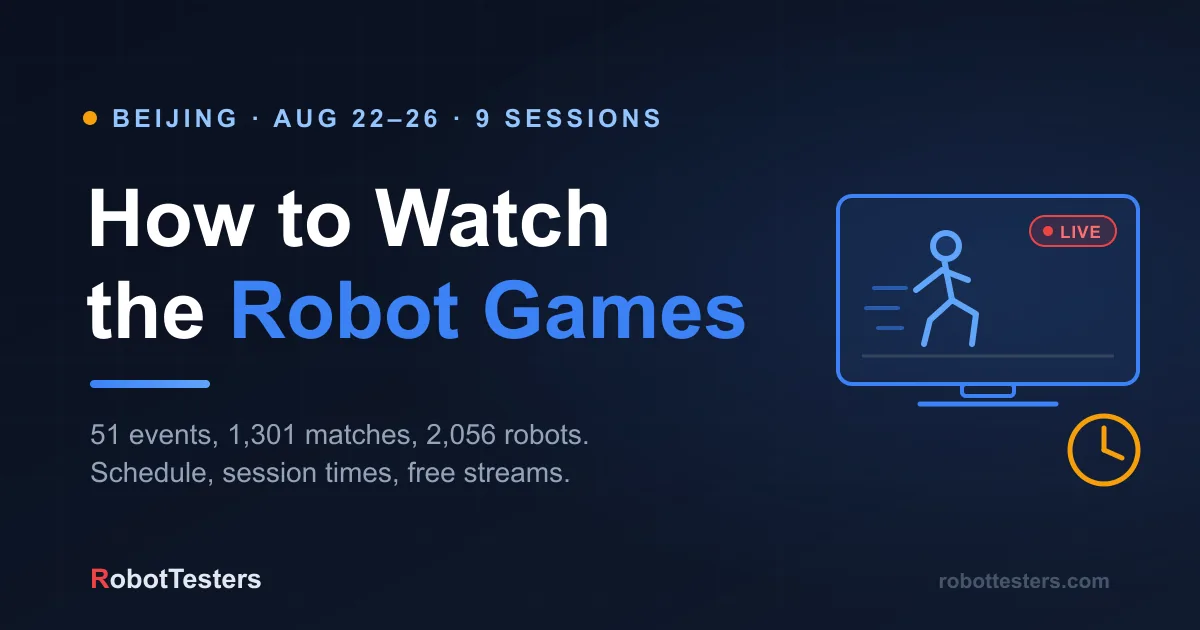
Nine competition units over five days at Beijing's "Ice Ribbon": 51 events, 1,301 matches, 666 teams and 2,056 robots. The day-by-day schedule, session times converted for the US, Europe, India and Australia, the free streams country by country, ticket prices, and the manufacturers favoured to win.
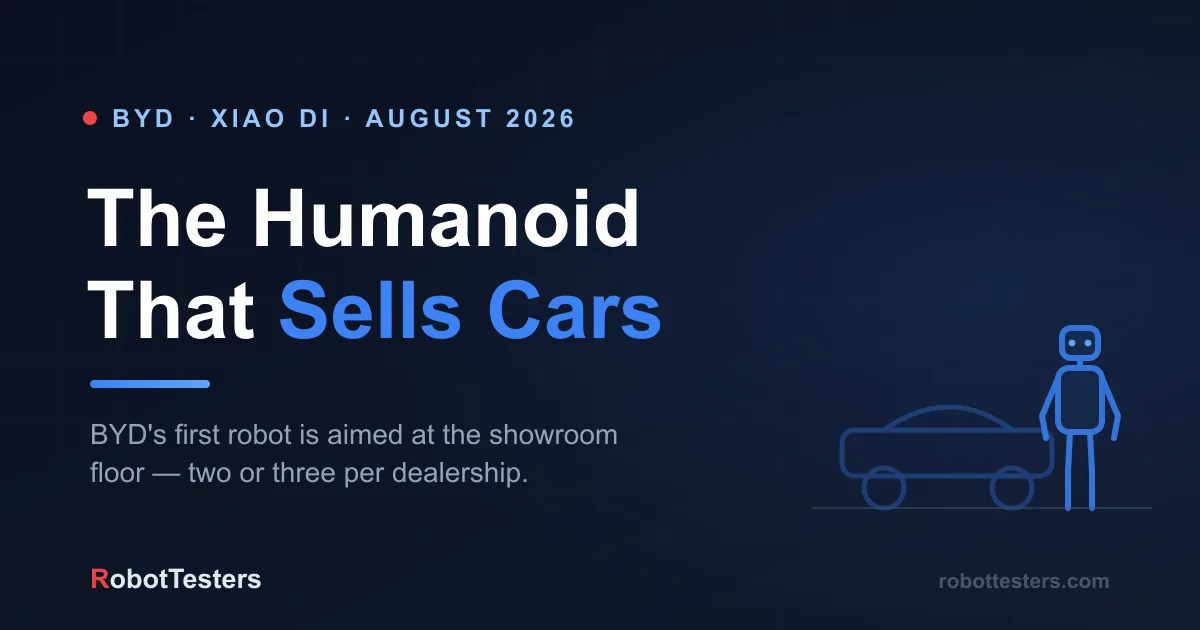
BYD confirmed its first humanoid for August 2026 at its Di Space centre in Zhengzhou — aimed at dealership floors, two to three per store. What BYD has actually confirmed, the unofficial 1.61 m / 58.5 kg / 31-DOF spec sheet, the three claims BYD denied outright, and why nobody outside China has demonstrably seen it yet.
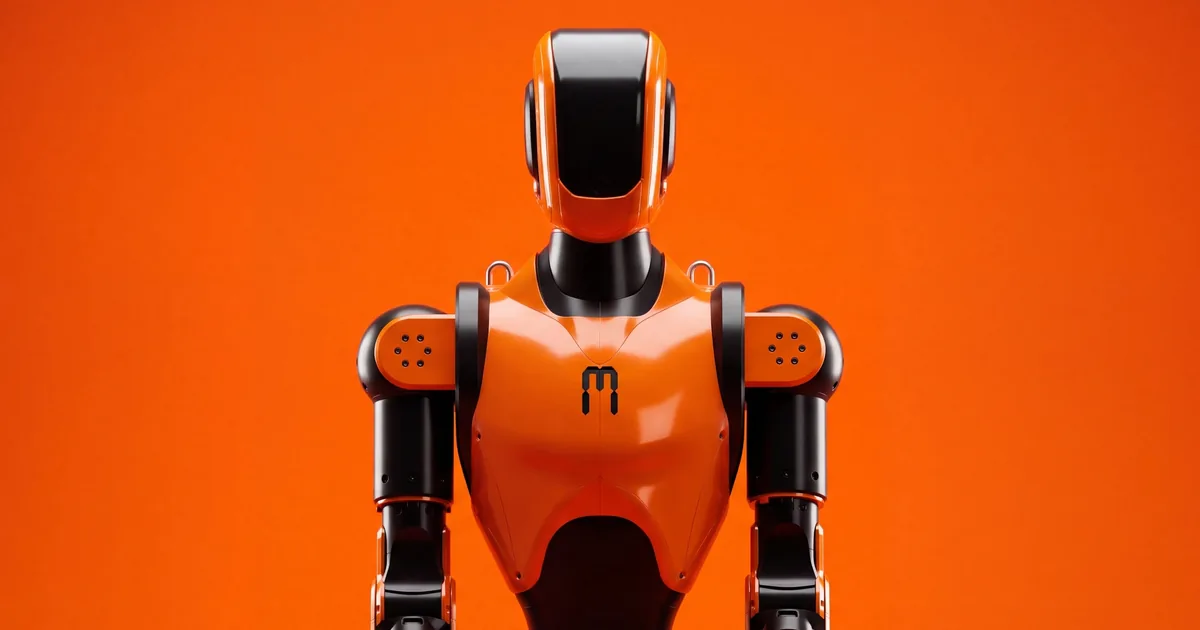
A 1.2 m, 35 kg bipedal humanoid with 25 actuated joints, published CAD, an open bill of materials, a MuJoCo simulation and a pre-trained walking policy — sold as a kit for $20,000 that takes roughly 100 hours to build. Full specs, the engineering choices that matter, what the kit leaves out (starting with hands), and an honest verdict.
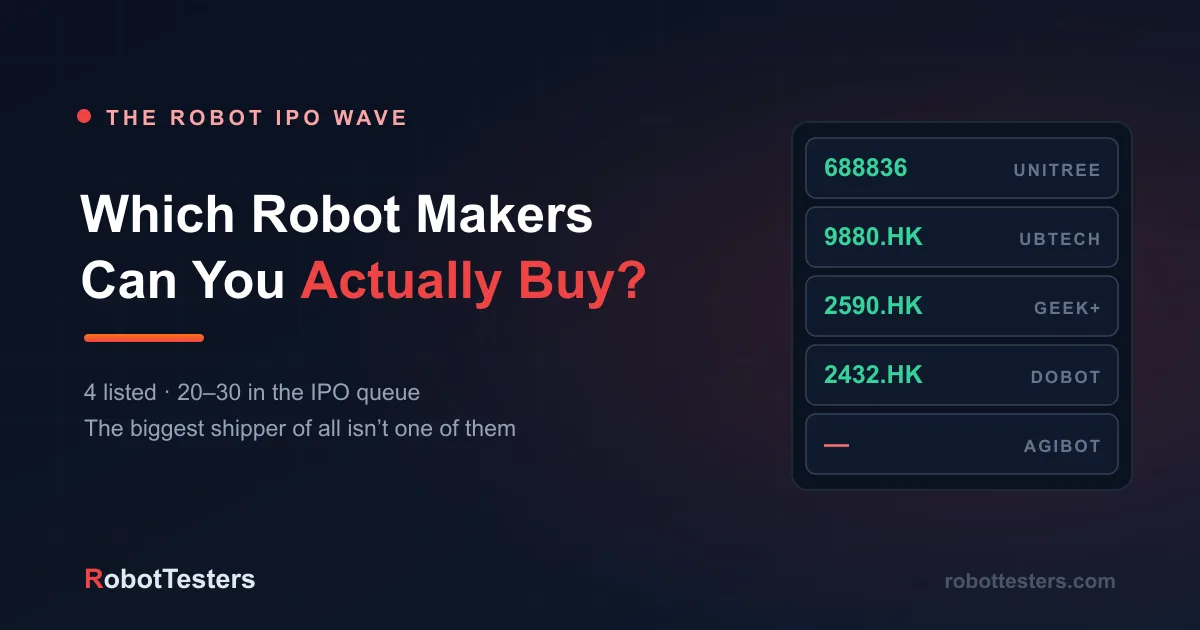
Unitree's strategic placement drew DeepSeek (¥140m+, three-year lock-up) and Tencent, and its retail lottery was the tightest in STAR Market history. But AgiBot outshipped Unitree in 2025 and has no direct listing. The four robot makers you can actually buy, AgiBot's ¥2.1bn side door into Shanghai, the 20–30 company IPO pipeline, and why the best manufacturers are the hardest to own.
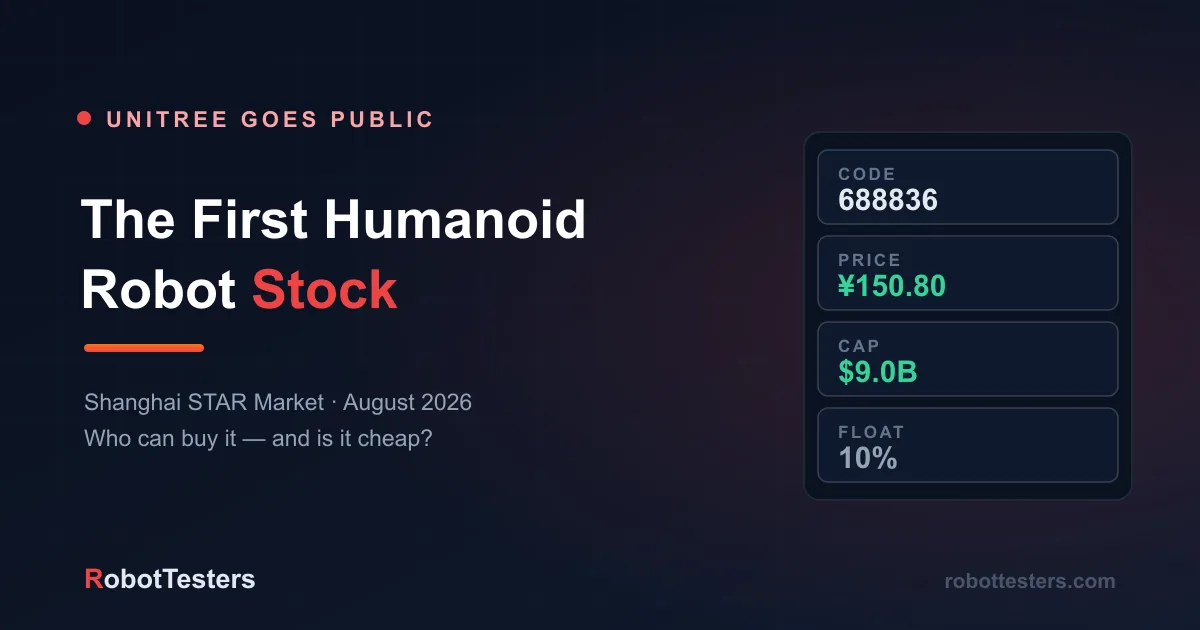
Unitree priced its Shanghai STAR Market IPO at ¥150.80 a share on 6 August 2026 — ticker 688836, a ~¥61bn ($9.0bn) valuation, a 10% float and an 8,289× oversubscribed retail book. The full numbers, the listing timetable, why foreign retail investors cannot buy it directly, the ETF and Hong Kong routes that do exist, and my case that $9 billion is cheap for the industry's leading manufacturer.
Beijing now requires 1,400+ schools to teach at least eight class hours of AI to every grade, and robots are the hardware doing it — block programming, iFlytek image-recognition units, a robotic arm driven by a smart headband. The mandates city by city, the research that says robots only help when a teacher is present, and what it means if you're buying for a child.
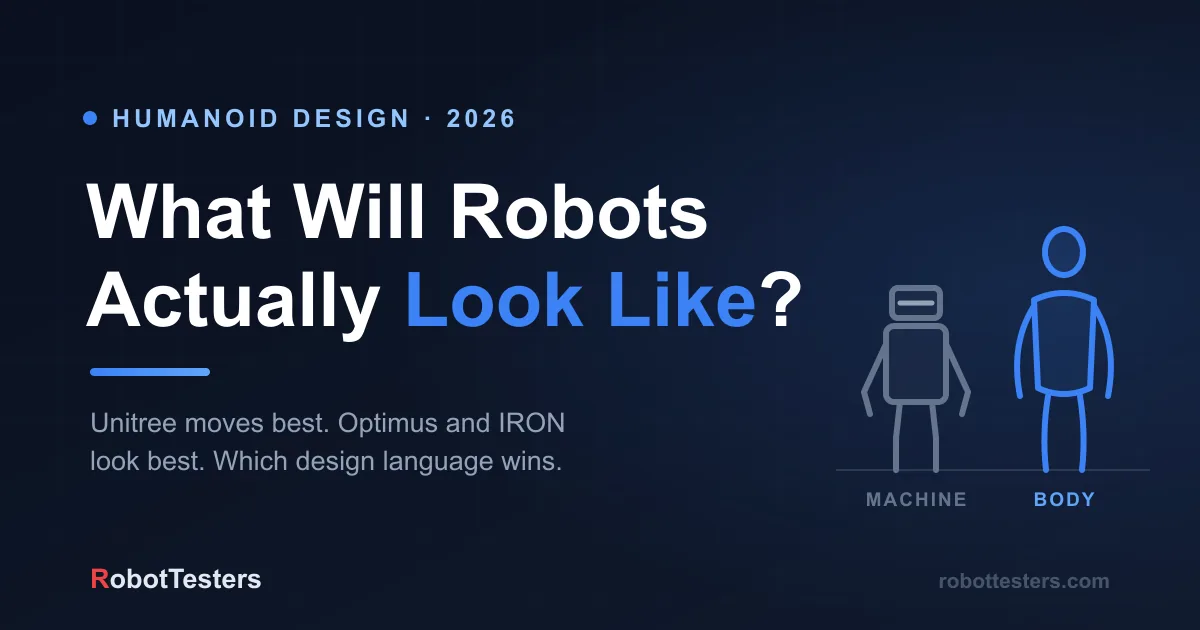
Humanoid design is splitting in two: engineering-first machines like the Unitree G1 (1.32 m, 35 kg) that move best, and human-proportioned, soft-covered robots like Tesla's Optimus and XPeng's IRON (1.78 m, 76 DOF across the body and 21 per hand, bionic spine) that look best. The three design schools, a league table of 12 robots, and what the median humanoid looks like by 2028.
The 2nd World Humanoid Robot Games run August 22–26, 2026 at Beijing's "Ice Ribbon" oval — 51 events, 1,301 matches, 666 teams and 2,056 robots competing autonomously in athletics, football, martial arts and real-world tasks. What they compete in, who won in 2025, and what to watch.
The World Robot Conference 2026 runs August 19–23 in Beijing with 300+ exhibitors, 2,000+ exhibits, 150+ product debuts and a first-ever 49-company state-owned-enterprise pavilion. Dates, venue, the World Robot Contest, what's new, and what to watch.
MagicLab — Chinese brand Magic Atom (魔法原子) — is the Dreame-incubated humanoid startup, staffed by ex-Xiaomi CyberDog engineers, whose MagicBot robots co-starred at China's 2026 Spring Festival Gala and sold out on JD.com. Then its founder walked out during the IPO run-up. The company, the robots and the drama.
On July 28, 2026 the FCC added foreign-made humanoids and quadrupeds to its Covered List, blocking new models from being imported, marketed or sold in the US. It doesn't touch what you already own — but it slams the door on new Chinese-made robots. What the rule does, and what it means for buyers.
Deep Robotics (Yunshenchu) built its business on Jueying robot dogs that patrol power substations, not viral demos. In 2025 it became the first Chinese quadruped maker to turn a profit and filed for a STAR Market IPO — while building the DR02 industrial humanoid. The company, founder Zhu Qiuguo, and the strategy.
Noetix's Bumi costs 9,998 yuan (~$1,400) — a 94 cm bipedal humanoid that walks, runs and dances, and the cheapest walking humanoid you can buy in 2026. What it is, what it isn't, the marathon-running N2, and founder Jiang Zheyuan's story.
China's Beijing Humanoid Robot Innovation Center (X-Humanoid) built Tiangong — the marathon-winning humanoid it open-sources to the whole industry, from motion-control code to the RoboMIND dataset and the WoW world model — while drafting the national standards. How the state-backed open-source playbook works.
Leju's Kuavo runs KaihongOS — an OpenHarmony-based OS born from Huawei's open-source project — plus Huawei Cloud's Pangu AI, and now ships from a Foshan line at ~one robot every 30 minutes. Who Leju is, founder Leng Xiaokun, the ~$45,500 price, and an honest look at the Huawei connection.
China makes the reducers, actuators and rare-earth magnets inside nearly every humanoid — even Tesla's Optimus. Morgan Stanley puts China at ~63% of the humanoid supply chain, and stripping Chinese parts out of Optimus could nearly triple its cost. Who makes what, and the one bottleneck China hasn't cracked.
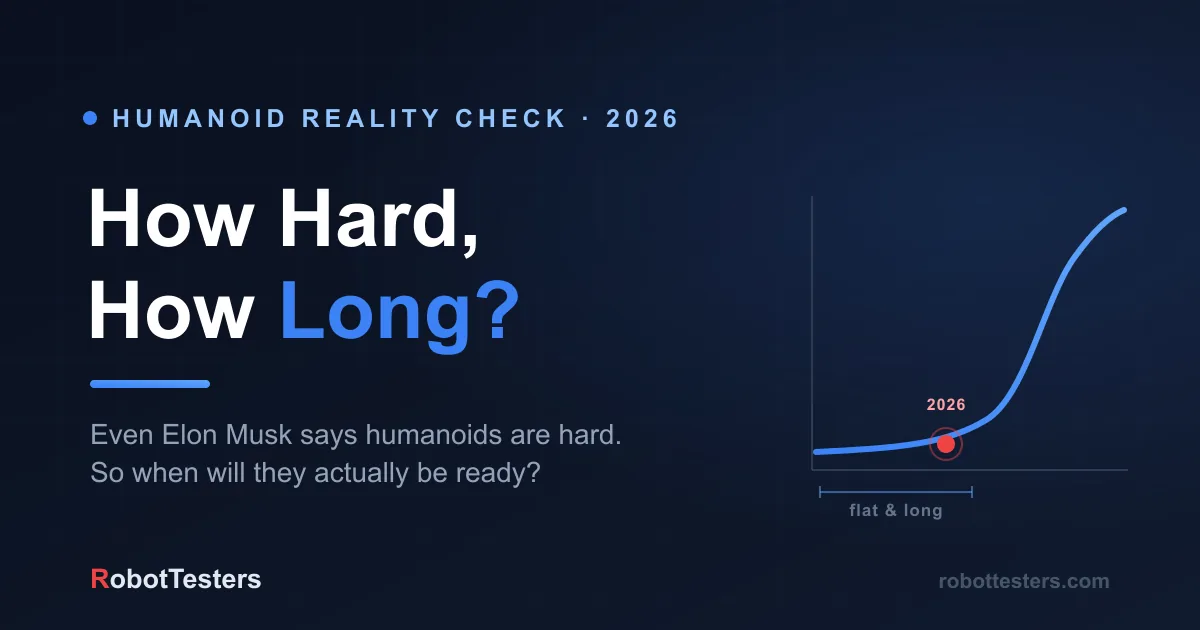
Musk called Optimus the hardest thing Tesla has ever built and warned of a "flat and long" ramp — and Tesla stock fell ~14%, while Unitree heads for a record IPO. Why the difficulties are the whole industry's, and the honest timeline: not 50 years, more like 5–10 (I'd bet 2–5).
AgiBot's flagship from its four-robot WAIC 2026 launch: a 1.74 m service humanoid with 51 degrees of freedom, up to 5 kg per arm, up to 8 hours of runtime and NVIDIA Thor compute. Full specs and an honest verdict.
WAIC 2026 in Shanghai drew 1,100+ exhibitors and 300+ global debuts. AGIBOT launched four robots led by the A3 Ultra; Unitree rolled out a 500 kg transformable. What actually mattered — and what was pure spectacle.
Tesla promises a million Optimus robots a year — but as of July 2026 it hadn't started. The companies actually shipping humanoids are Unitree, Figure and Agility. The honest, evidence-ranked production scoreboard.
At Shanghai's AI summit in July 2026, China's president called for binding international robot regulation and human control over AI. Meanwhile, Chinese factories are deploying humanoids at a pace that outpaces the West by years. The paradox shaping robot policy for the next decade.
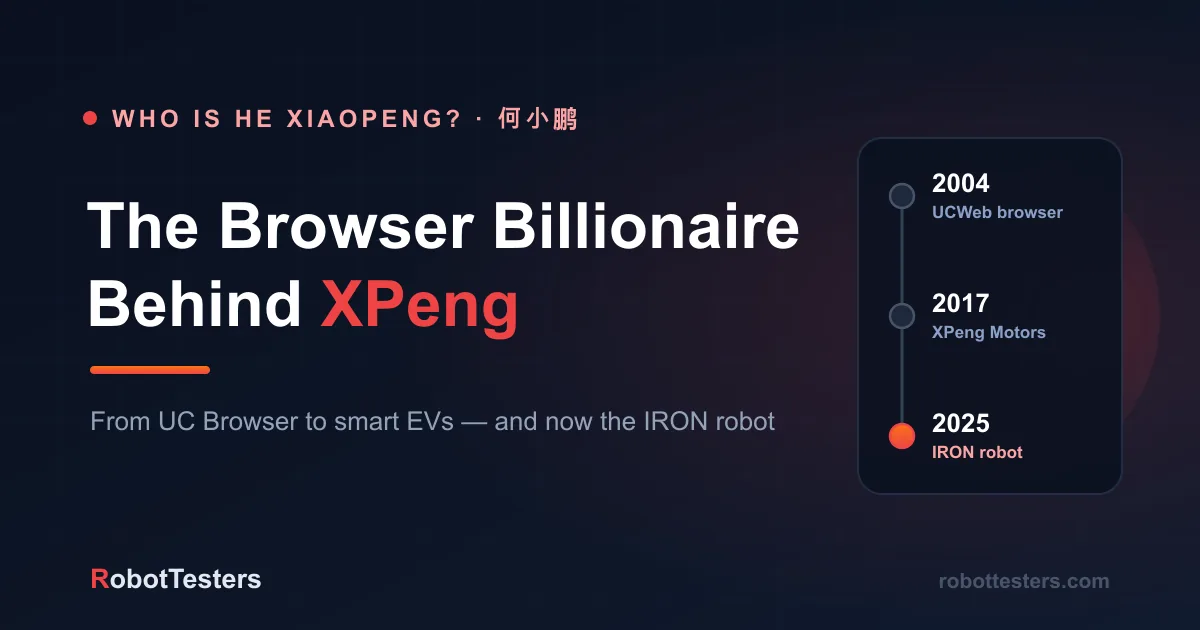
Meet He Xiaopeng, the software entrepreneur who sold UC Browser to Alibaba for a reported $4.3 billion, founded the smart-EV company XPeng that bears his name, and now personally leads its IRON humanoid robot. His story, his fortune, and the software-to-cars-to-robots through-line.
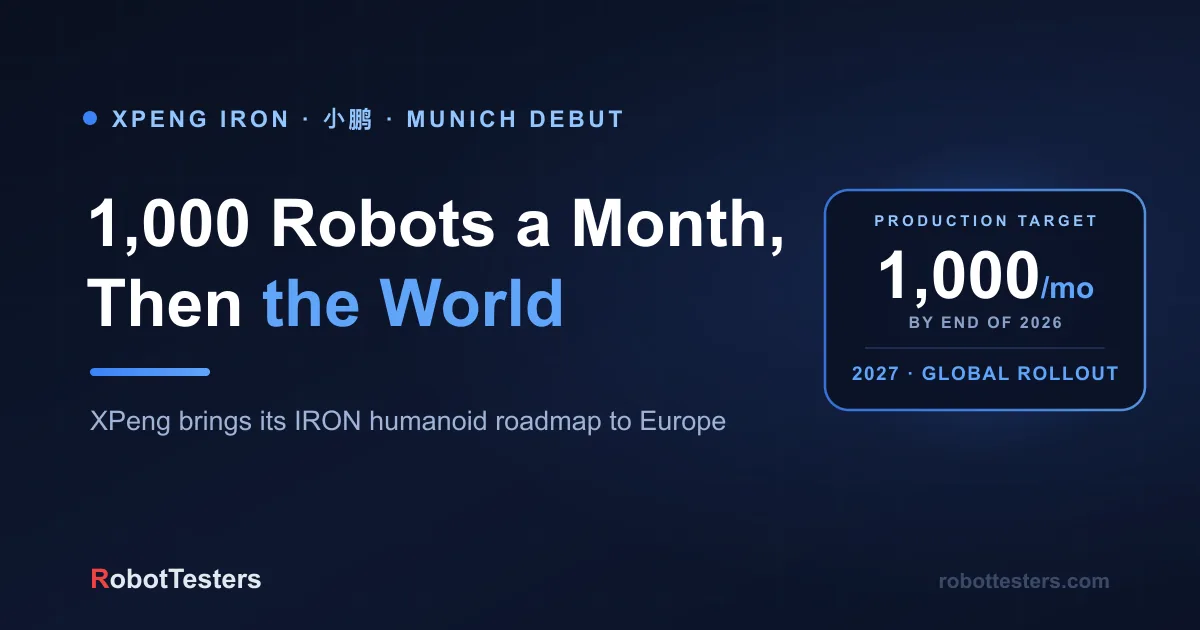
At its Munich EV launch, XPeng put fresh numbers on its IRON humanoid: more than 1,000 units a month by the end of 2026, mass production at year-end, and a 2027 global rollout — starting with robots that answer questions in its own showrooms and offices.
Ropet sale price is $279.99 (regular $349, checked 26 Oct 2026) vs Casio Moflin at $429. One talks via ChatGPT; the other never touches the cloud.
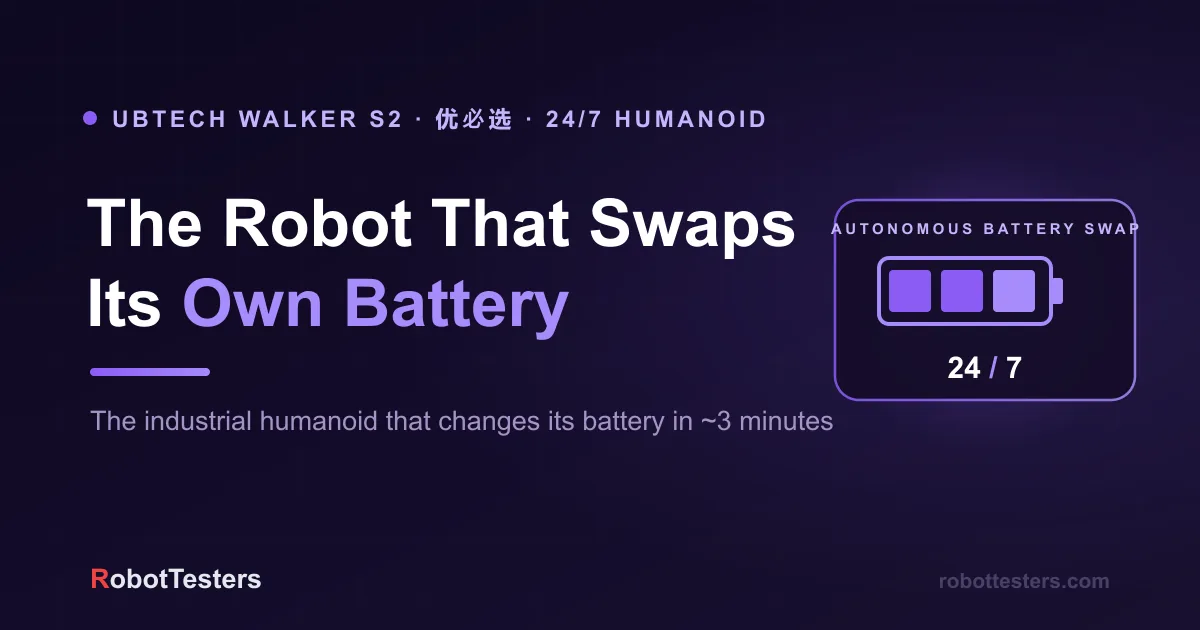
The first humanoid robot that swaps its own battery — in about three minutes — to work 24/7. Specs, the ~$160,000 price, its BYD and Foxconn deployments, and an honest verdict.
The best Loona alternative depends on why you're shopping around — to spend less, get a walking dog, buy a robot cat, or step up to the most lifelike pet. Eight picks from $149 to $2,899, with 2026 prices and who each one is for.
Meet Bernt Børnich, the Norwegian founder and CEO of 1X Technologies — the OpenAI-backed company behind NEO, the $20,000 home humanoid robot. His story, how 1X grew out of Halodi Robotics, and the honest truth about how much a human still drives NEO.
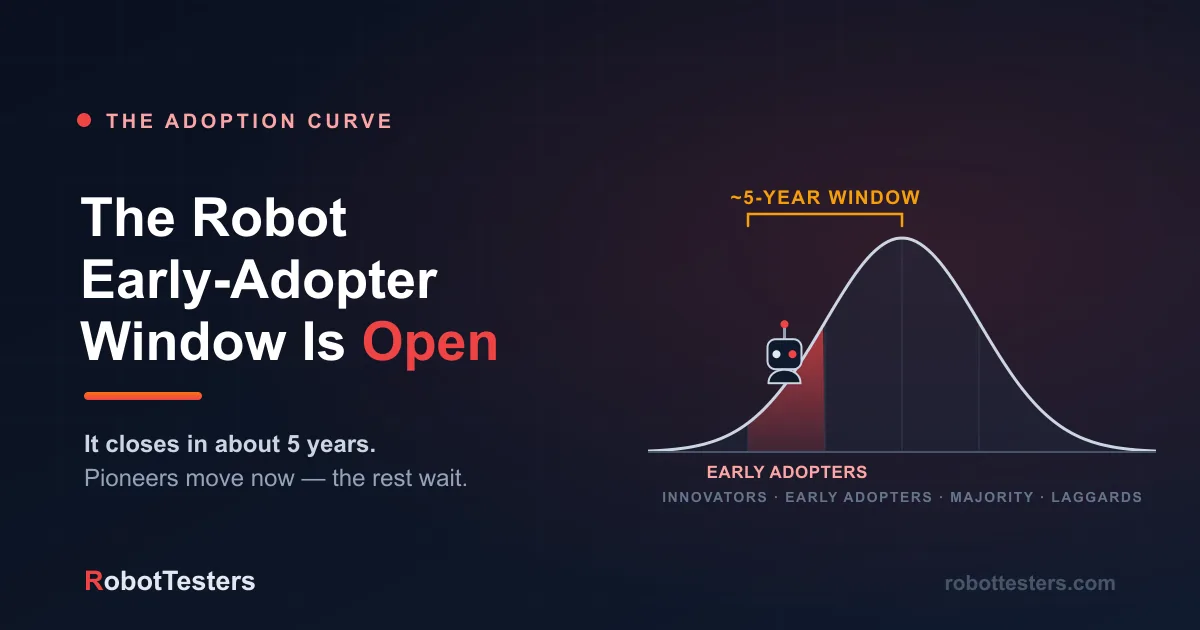
You can buy and live with a humanoid robot today — if you accept the rough edges of an early adopter. The bodies move brilliantly; the chores, conversation and reliability lag by years. Why Tesla Optimus and XPeng IRON are built to cross that gap, why the pioneer window is 2–5 years, and why professionals should enter the robot market now.
A bipedal, general-purpose humanoid you can't buy yet versus a wheeled, rope-driven manipulation specialist on sale now for $96k–$150k. Full specs side by side, the teleoperation question over both, price, and an honest verdict on which is which.
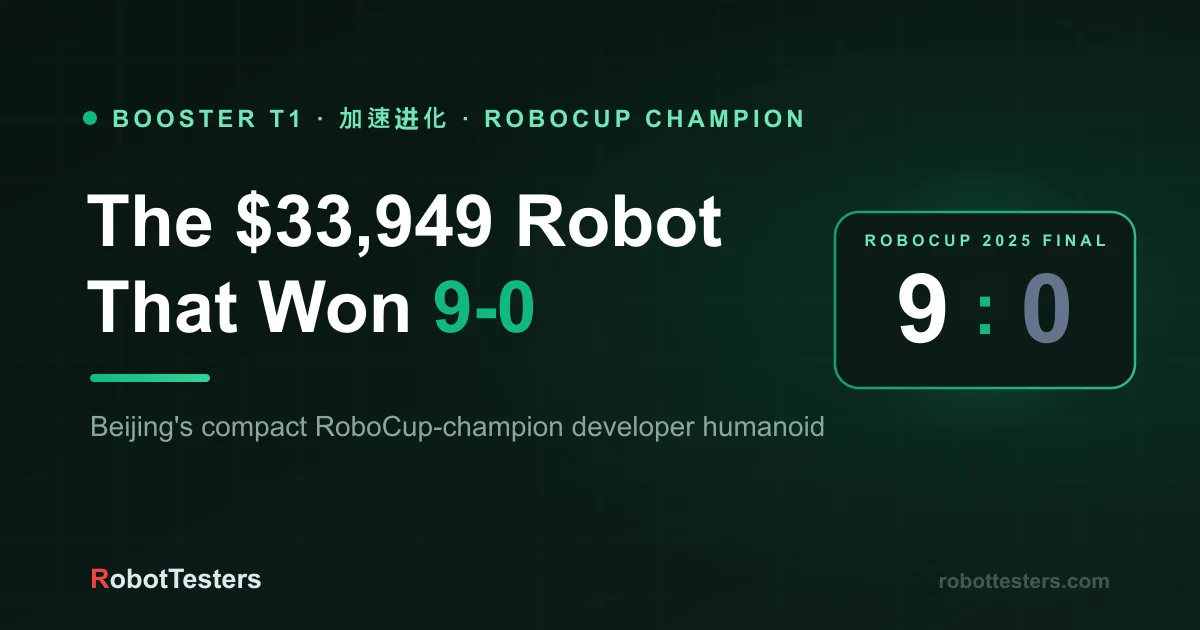
A compact ~1.18 m developer humanoid from Beijing's Booster Robotics (加速进化) — the machine that won the RoboCup 2025 soccer final 9-0. Corrected specs, the $33,949 international (¥199,000 China) price, where to buy, and an honest verdict.
The KEYi Loona robot pet costs about $499 in 2026, with no subscription required. What Loona is, what the price gets you, where to buy it, and an honest verdict on whether this ChatGPT-powered robot dog is worth it.
The Tesla AI5 chip is the custom inference brain behind Optimus Gen 3. Musk claims ~8x the compute of AI4 and roughly one Nvidia H100 per chip — but it only taped out in April 2026 and won't reach volume until 2027. AI5 specs, the AI4 and H100 comparison, and what it means for the robot.
Robot dogs are four-legged robots built for terrain that defeats wheels — stairs, rubble, gravel, catwalks. In 2026 they range from Boston Dynamics' quote-priced Spot to Unitree's $1,600 Go2 and a Bittle V2 STEM kit from $269. What each one does, what they cost, how they work, and which you can buy.
The rifle-carrying robot dogs going viral from China are real, but teleoperated — a human still pulls the trigger. That is precisely why now is the moment to bar robots from carrying or using any weapon, enforced both in their software and in binding international law, before the machines can decide for themselves.
Meet Zhou Jian (周剑), founder and CEO of UBTECH Robotics — the German-machinery salesman, not a roboticist, who self-funded years of R&D (selling his house and car), built UBTECH's in-house servos, and rang the Hong Kong Stock Exchange gong with a Walker humanoid.
Meet Wang He (王鹤), the Peking University professor who co-founded Galbot (银河通用) and is its CTO — building wheeled humanoids that autonomously stock and pick medicines in unmanned 24-hour Beijing pharmacies. His story, the "do real work" thesis, and the billions backing it.
Meet Chen Jianyu (陈建宇), founder and CEO of Robotera (星动纪元) — the Tsinghua professor and UC Berkeley control-theory PhD building full-stack humanoids (STAR1, L7), XHAND dexterous hands and the ERA-42 AI model, in the only humanoid startup Tsinghua itself is said to hold equity in.
Meet Zhang Wei (张巍), founder and CEO of LimX Dynamics (逐际动力) — the SUSTech control-theory professor (USTC, Purdue, Berkeley, Ohio State) building all-terrain legged robots, including the LimX Oli, a full-size humanoid you can buy from about US$21,800.
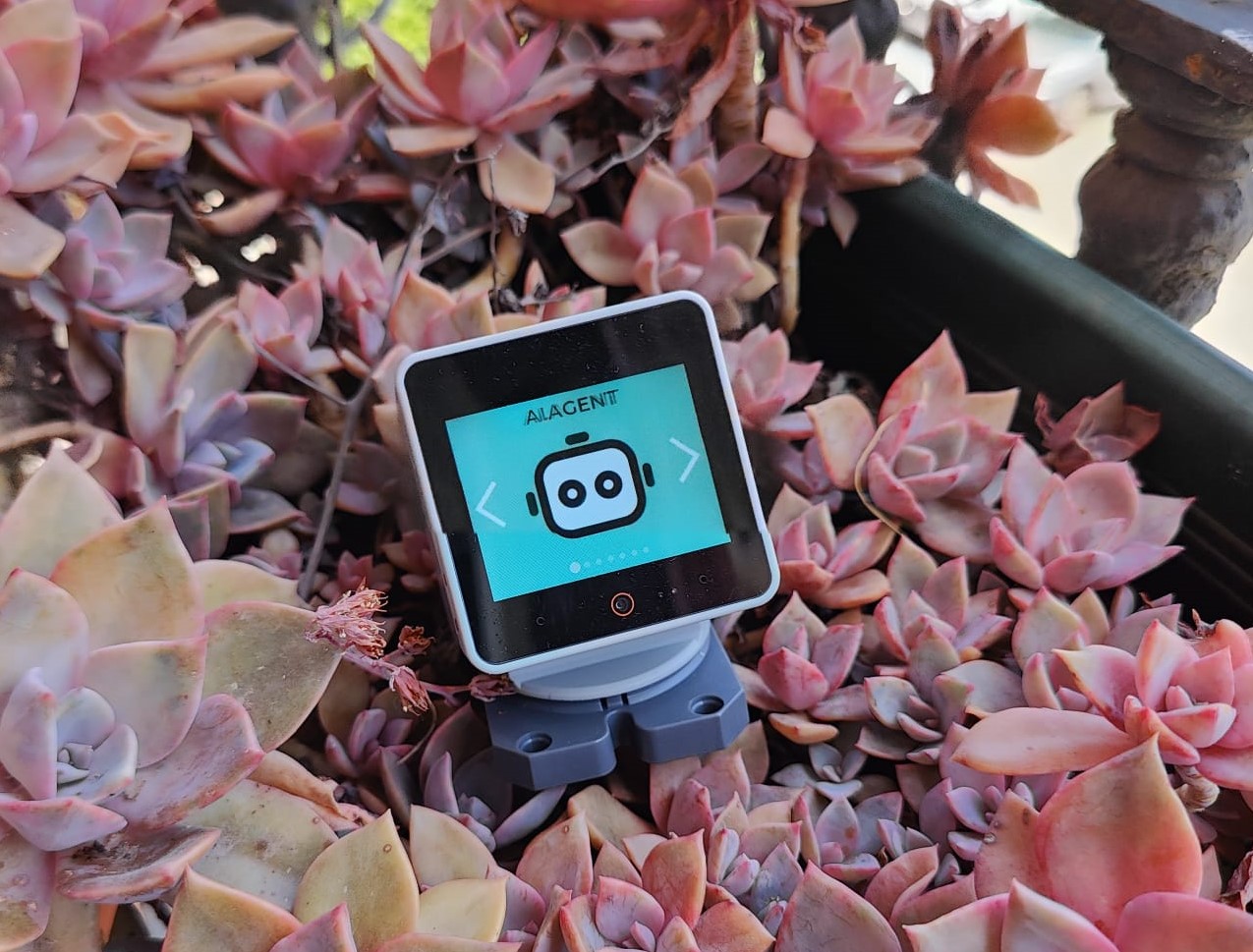
Forty-five days with Stack-chan: a charming, fully open-source first robot — and a deliberately low-cost one, which limits everything, even the AI. My honest verdict, why I'm now certain mobility is what matters most, and why the robot future feels imminent everywhere except Europe.
A thought is electricity and chemistry — physical, and therefore measurable. Neuralink already reads intent through the skull; AI already decodes the gist of imagined speech without one. My on-the-record prediction: before 2100, robots will read human minds, and we'll talk to them without words — Asimov's R. Daneel, made real.
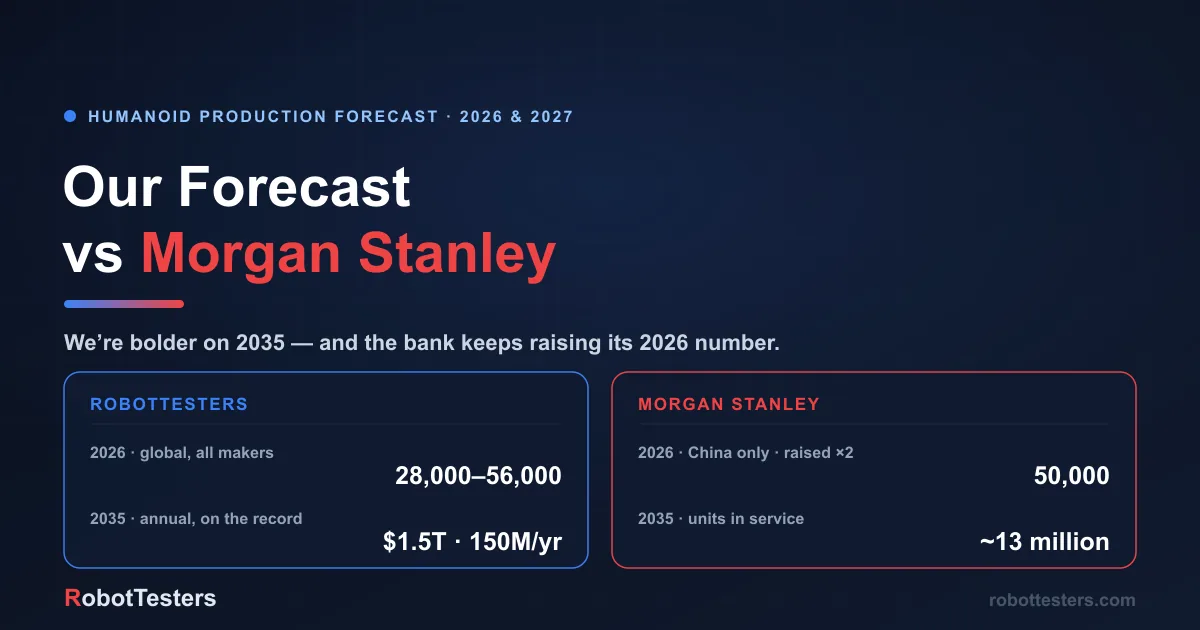
We forecast 28,000–56,000 humanoids built worldwide in 2026. Six weeks later Morgan Stanley raised its 2026 number again — to 50,000 for China alone, its second hike this year. A side-by-side comparison: we're more conservative on near-term China, far bolder on 2035, and the bank's number has only ever moved up.
Meet Lai Jie (来杰), founder and CEO of Astribot — a Tencent Robotics X veteran who left to build the S1, the rope-driven robot whose wine-pouring, laundry-folding demo went viral and split the internet over whether it was real. His story, the honest truth about that demo, and the $1.4 billion company behind it.
Isaac Asimov invented the Three Laws of Robotics and even coined the word "robotics" — yet no real robot actually obeys his laws. The biochemist and science-fiction master behind the most famous rules in robotics, and why working roboticists say they can't be built.
Meet Gu Jie (Alex Gu), founder of Fourier — the Shanghai company that spent a decade building exoskeletons to help paralyzed people walk before pivoting to humanoids like the GR-1, GR-2 and the GR-3 "care-bot." Backed by SoftBank and Saudi Aramco's fund.
Meet Zhao Tongyang (赵同阳), the grassroots, vocational-college founder and CEO of EngineAI (众擎机器人) — the showman who built XPeng's first humanoid, then left to make robots that do the world's first front flip and kick their own CEO on camera. His story, his robots, and the stunts behind a $1.5 billion valuation.
Meet Peng Zhihui (彭志辉), known online as Zhihui Jun (稚晖君) — the Bilibili "Wild Iron Man" who built a self-driving bicycle in his spare time, took a 2-million-yuan Huawei "Genius Youth" salary, then co-founded AgiBot, the company that shipped more humanoid robots than anyone in 2025. How a maker-celebrity became a listed-company chairman at 33.
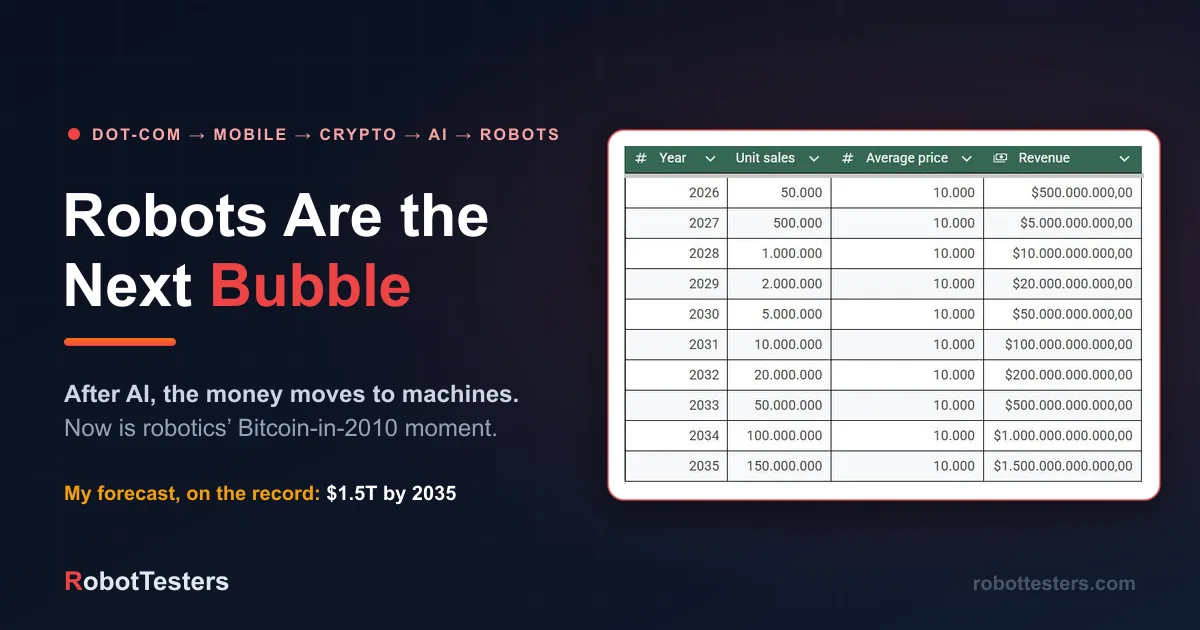
Dot-com, mobile, crypto, AI — every wave had a moment to buy in early. Robots are next, and I think 2026 is robotics' Bitcoin-in-2010 moment. My on-the-record forecast: a ~$1.5 trillion humanoid market by 2035, benchmarked honestly against Goldman, Morgan Stanley, Citi and BofA.
He's not a roboticist — he's a farm kid from Illinois on his third company. Brett Adcock built and sold Vettery, took Archer Aviation public, then founded Figure AI, dumped OpenAI to build his own robot brain (Helix), and pushed it to a reported $39 billion valuation. Meet Figure's founder and CEO.
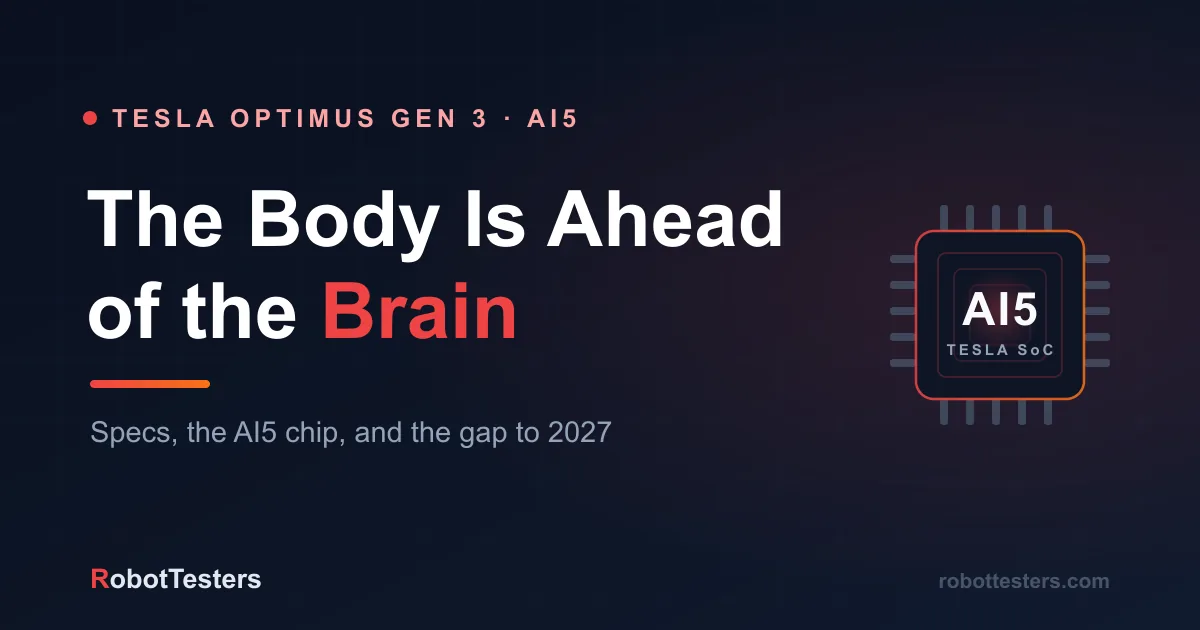
Optimus Gen 3 is the production-intent humanoid built around Tesla's new AI5 chip and running Grok — but the chip meant to be its brain only taped out in April 2026 and won't reach volume until 2027. The reported specs, the 22-DOF tendon hands, the $20k–$30k target price, and why the body is running ahead of the brain.
He ran the company famous for backflipping robots — and he was a national-champion gymnast who did his MIT PhD on robot somersaults. Meet Robert Playter, who turned Boston Dynamics from a viral-video lab into a business, and find out who leads it now after his February 2026 retirement.
A backflip is not a benchmark. With Atlas working a Hyundai line and China ordering thousands of real deployments, the viral-demo era is over. The five dimensions — autonomy, endurance, success rate, generalization and recovery — that separate a polished humanoid demo from a robot that can actually do a job.
The world's biggest robotics conference just wrapped in Vienna — and on the show floor, a lot of the humanoid robots were still being driven by a human with a joystick. The honest state of humanoid autonomy in 2026, and what it means for home and companion robots.
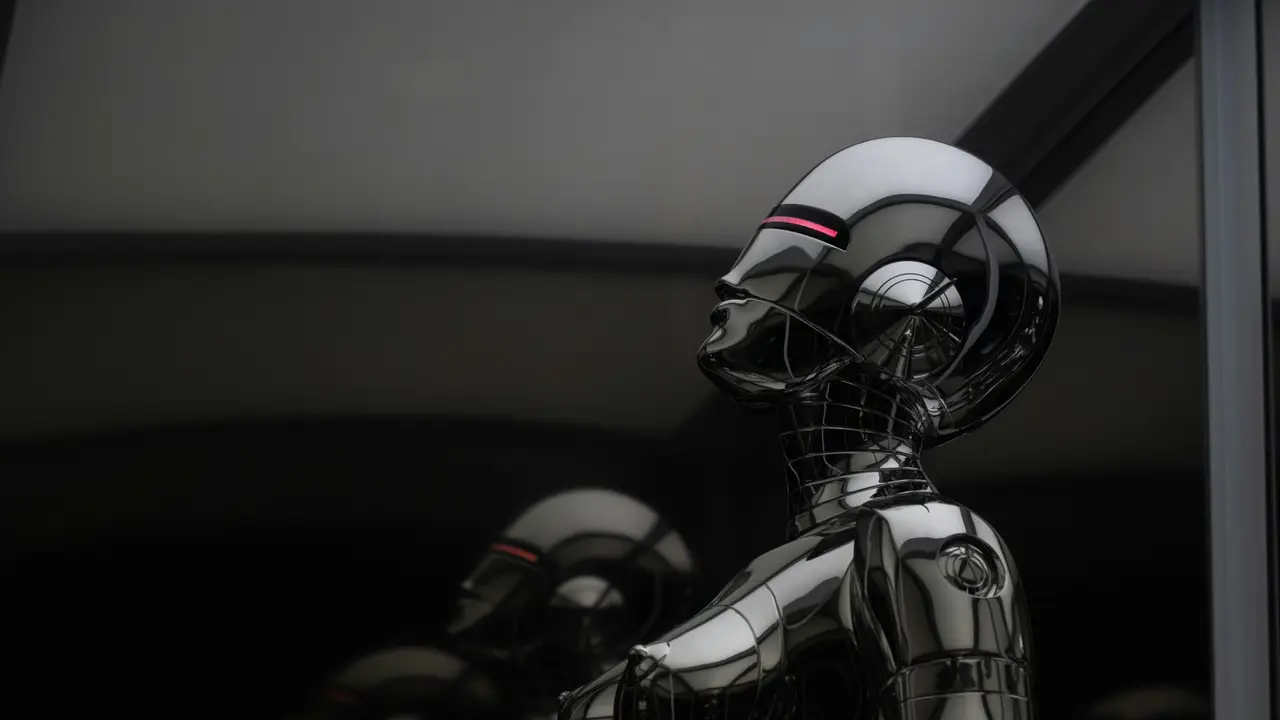
No single humanoid is production-ready at everything. So we took the best subsystem from every robot in our database — Atlas's 50 kg arms, Tesla's 22-DOF hands, Figure's Helix brain, the DR02's all-weather body, Digit's warehouse track record — and assembled the perfect production humanoid, part by part. Then we explain why it can't be built.
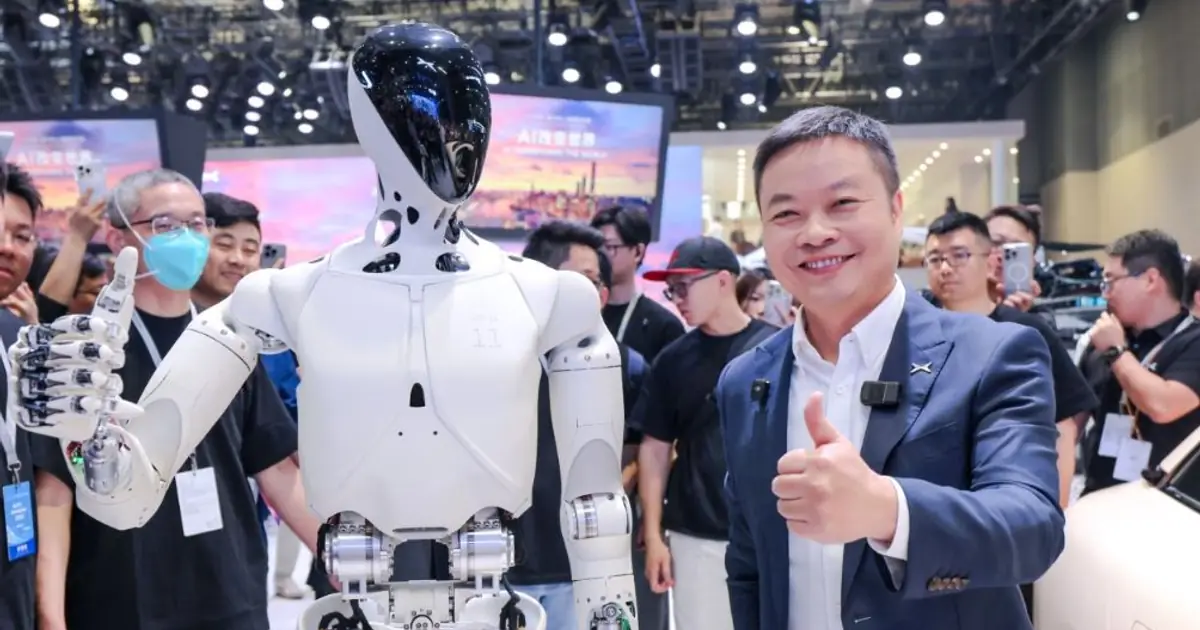
XPeng's robotics product chief, Shi Xiaoxin, resigned after 1,675 days building IRON from scratch — and days later CEO He Xiaopeng took personal control of the robotics unit. With mass production due by the end of 2026 and a robot that recently face-planted on stage, here's what the shake-up really means.
The humanoid race is really a race between a dozen very different people. Profiles of the founders and CEOs behind Tesla, XPeng, Unitree, Figure, 1X, Booster and Boston Dynamics — their backgrounds, leadership styles and the rivalries between them.
Unitree is doing a remarkable amount right — and behind it is one engineer-founder. Meet Wang Xingxing, the CEO and CTO who made robots cheap: from a low-cost robot dog built during his master's to the world's best-selling quadrupeds and the $4,900 R1 humanoid.
A child's robot can be a playmate, a comfort and a first coding teacher. Miko 3, KEYi Loona, Eilik, Cozmo and Petoi Bittle V2 — compared on play, learning, safety and price, with what each one teaches a child and the real laws that keep them safe.

A robot pet gives you the companionship of an animal with none of the mess. From the Petoi Bittle V2 (from $269) to the $2,899 Sony AIBO — the best robot pets of 2026 compared on realism, AI, battery and price, with RobotTesters scores.
You can buy a humanoid robot today — just not the one you've seen in the ads. The Unitree R1 ($4,900), G1 ($13,500) and H1 (~$90k), AgiBot X2, Booster T1 and LimX Oli EDU — the six on sale now, ranked on specs, price and RobotTesters scores.
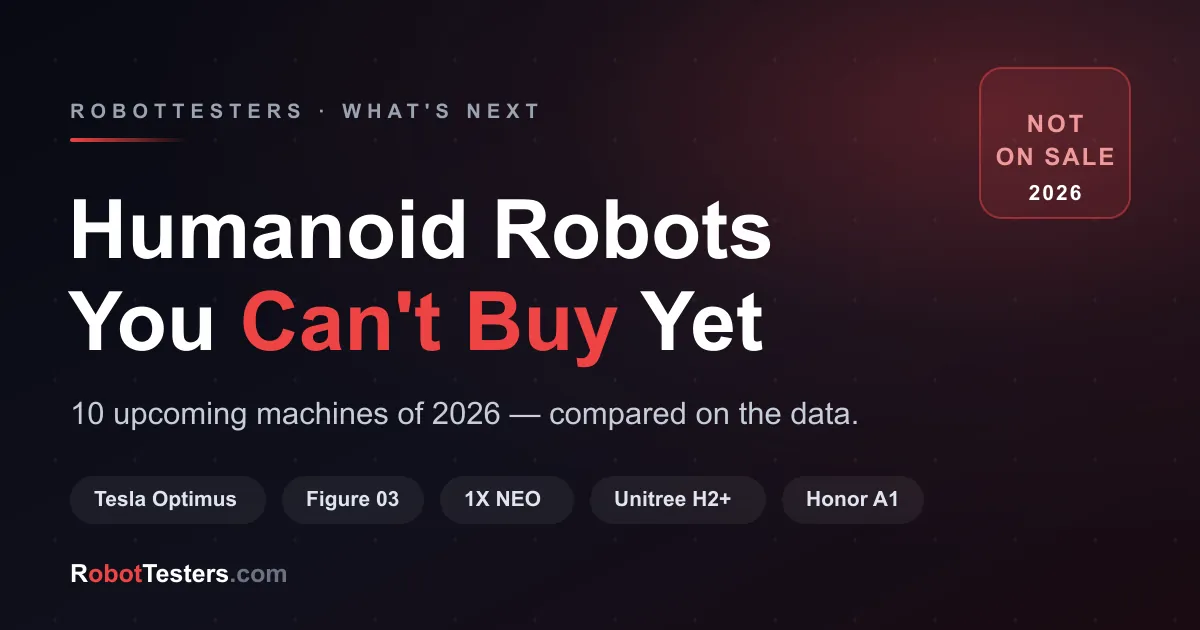
None of the most hyped humanoids of 2026 are on sale to the public yet. Tesla Optimus Gen 3, Figure 03, 1X NEO, Unitree H2 Plus, Honor A1 and five more — the ten you can't buy, compared on specs, price and availability.
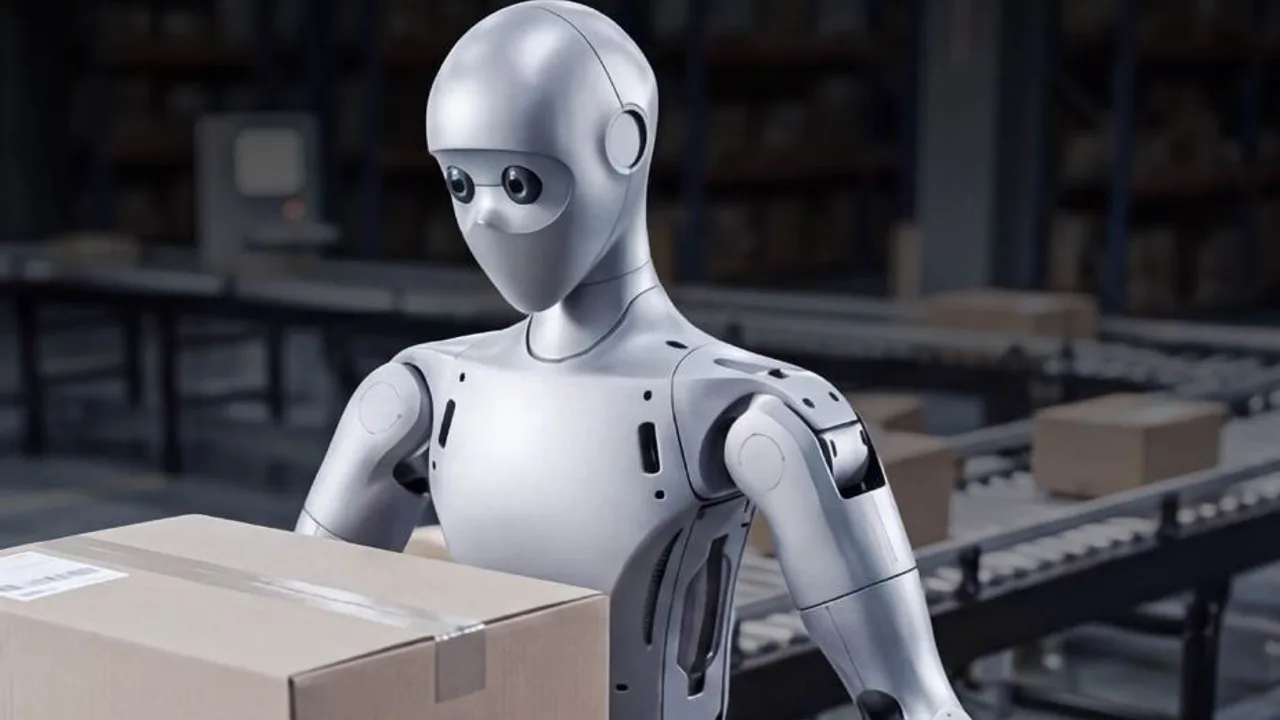
Unitree goes one step further again — this time allying with NVIDIA. From the $4,900 R1 to the Isaac GR00T-powered H2 Plus, the full Unitree humanoid lineup compared head-to-head on specs, price and purpose.
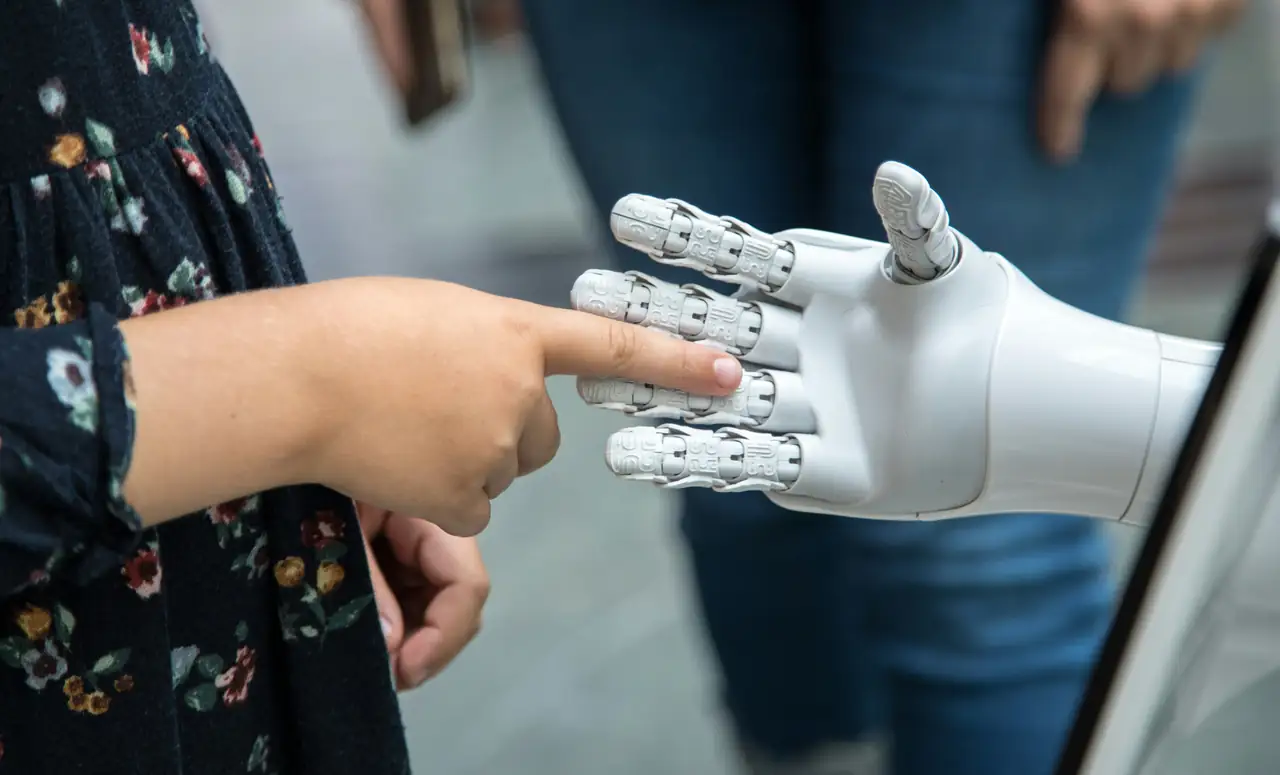
From the chart-topping Funky Wiggle Dance to a full 360° front flip: our pick of the five skills that map what Unitree's marketplace has become — and why a robot app store is a revolution that lets developers and ordinary people earn money building skills.

Pending final MIIT approval, China has begun assigning every humanoid a unique 29-character digital ID — a lifecycle passport tracked from factory to scrapyard. What the number means, why the world should align on one standard like USB-C, and what is still missing.
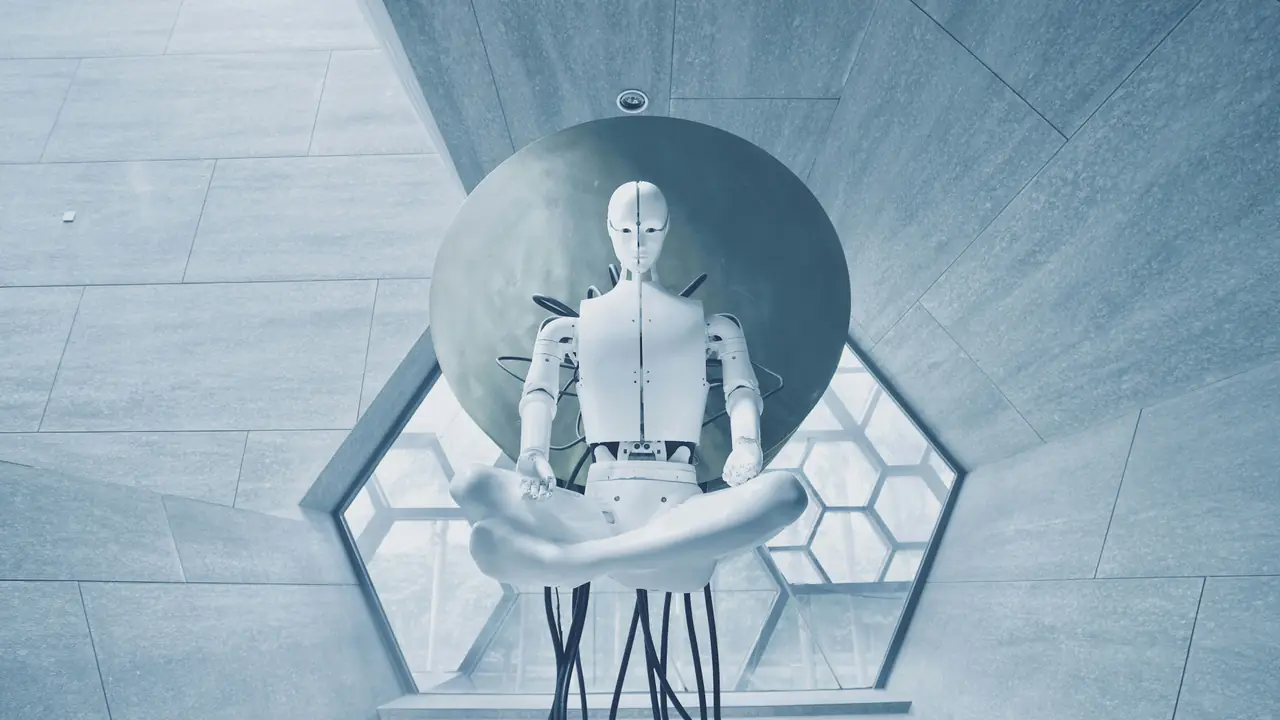
No robot on Earth runs Asimov's Three Laws — and that's good. The real rules are a stack of safe hardware, coded guardrails and certification (ISO 13482, the EU AI Act, NRTL/OSHA). What matters most is how open each maker is about them.
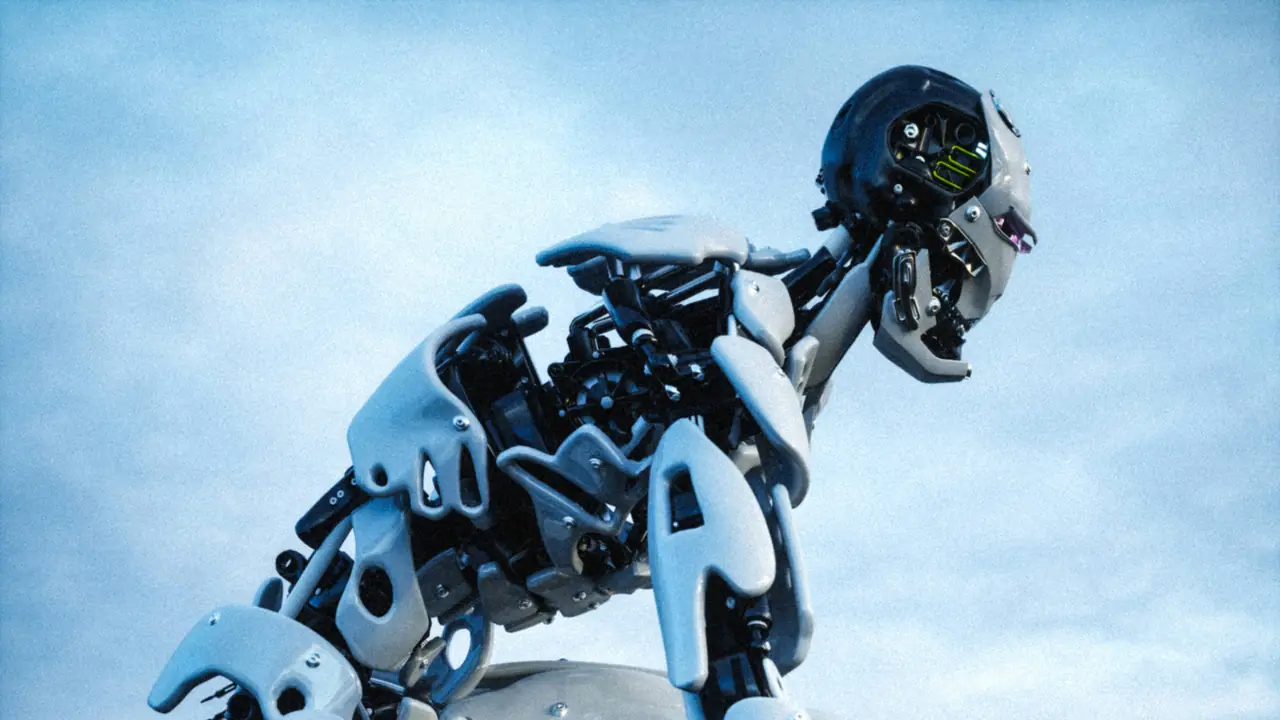
The railroad. The automobile. The dot-com. AI. Every generation gets one trend it fails to see coming. The next one is robots — and the math behind it (robots per human, $10,000 a unit, billions of units, the next Nvidia) is staggering once you actually run it.
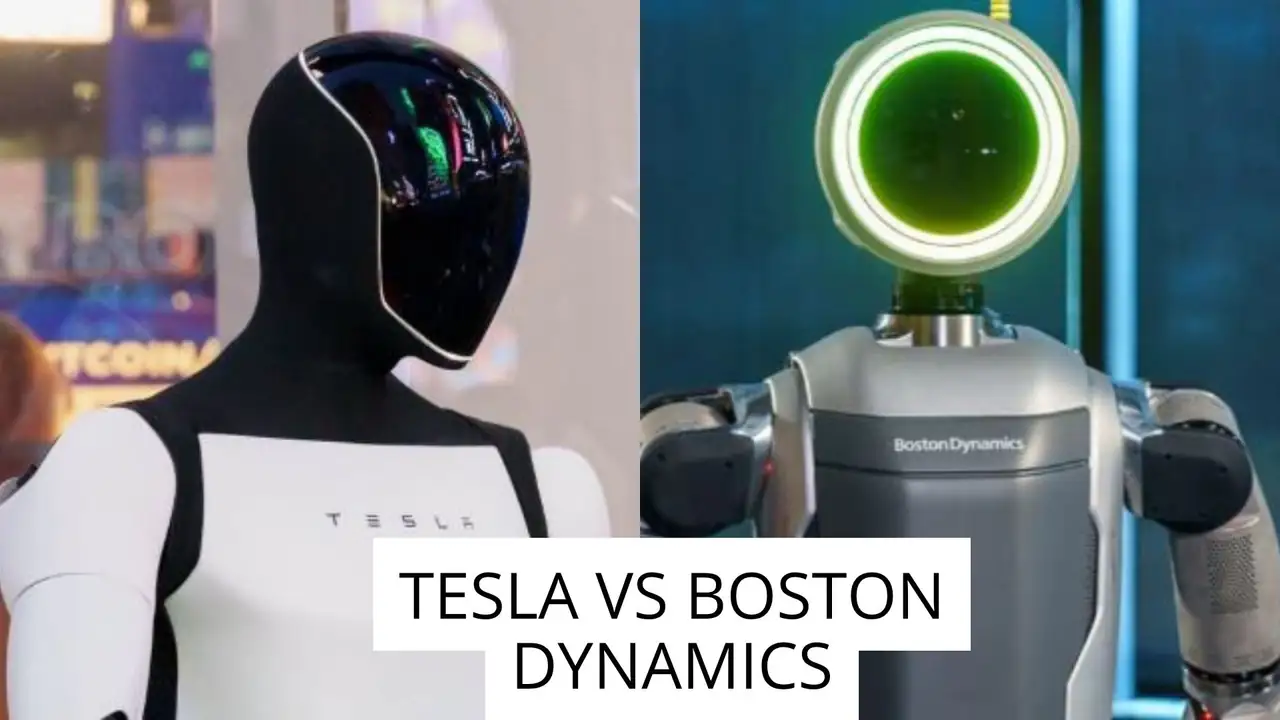
Boston Dynamics Atlas has the most capable humanoid ever built: 56 DOF, 50 kg payload, self-swapping battery. Tesla Optimus has the FSD stack, the manufacturing flywheel, and a price target that could redefine the market. Neither has a confirmed commercial price. Here's the full comparison.
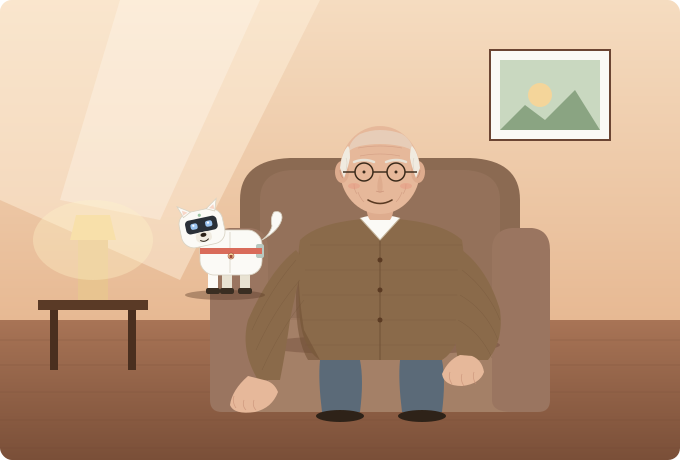
The clinical evidence is settled. But PARO costs $6,000 and Joy for All costs $120. A guide through the four main options — what the research actually shows and how to choose the right robot for the right situation.
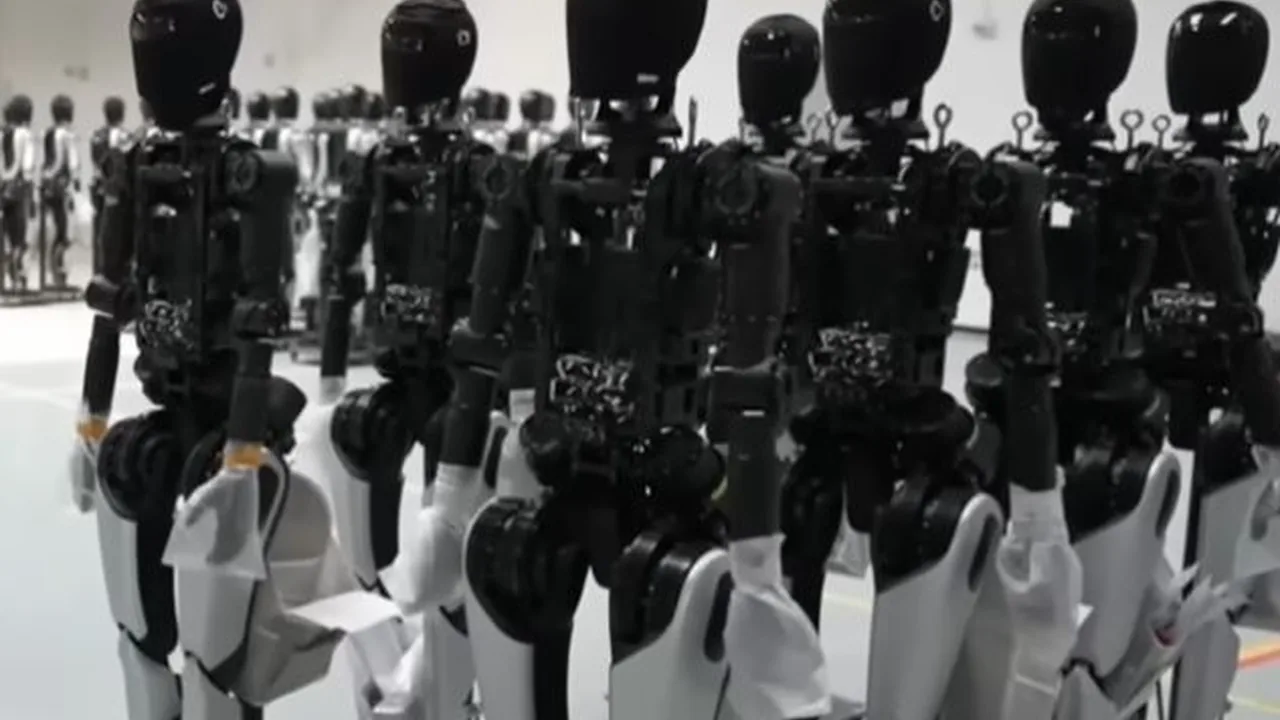
Unit counts tell you what a manufacturer plans to build. Factory velocity tells you whether they can. A machine-by-machine look at who's accelerating, who's holding back deliberately, and what each production strategy signals about 2027.
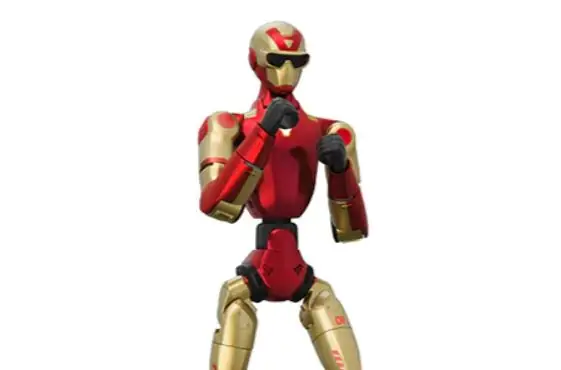
The G1 has dropped. The Go2 keeps getting cheaper. The R1 is already under $5,000. An Altman Solon survey of 1,000+ consumers shows 69% won't pay more — and the math explains exactly why that ceiling won't move.
The first power-on is genuinely magical. The voice recognition is genuinely frustrating. Here is what two weeks with Stack-chan actually looks like — including the problem no one talks about enough.
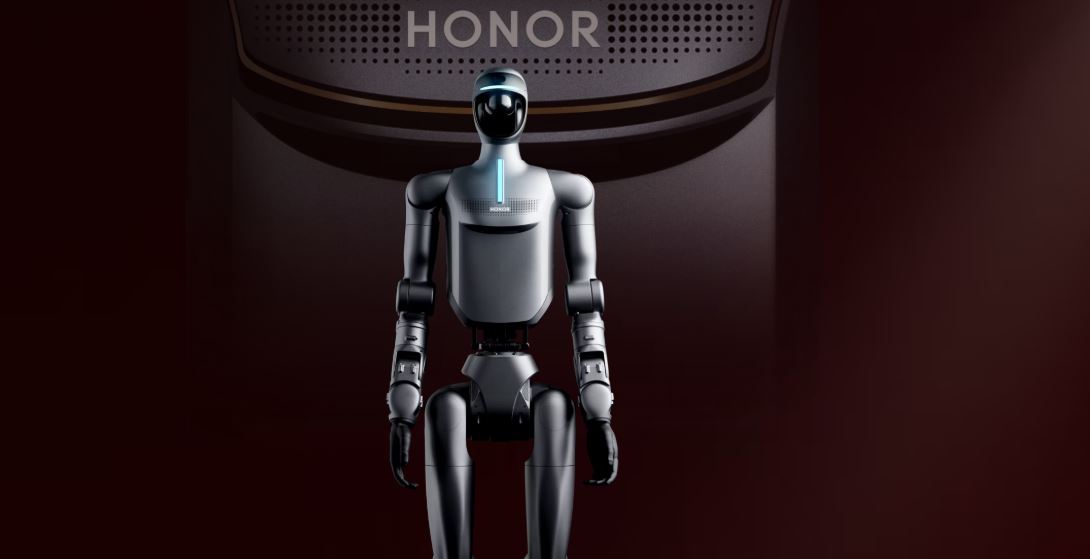
Honor A1 (Yuanqi Zai) danced at MWC 2026 and won the Best Gait Award at the Beijing half-marathon. Not the fastest — but possibly the most important humanoid for the consumer market.
From BMW factory floors to your living room in 28 months. How each generation of Figure AI's humanoid solved a different core problem — and what that pace of iteration means for what comes next.
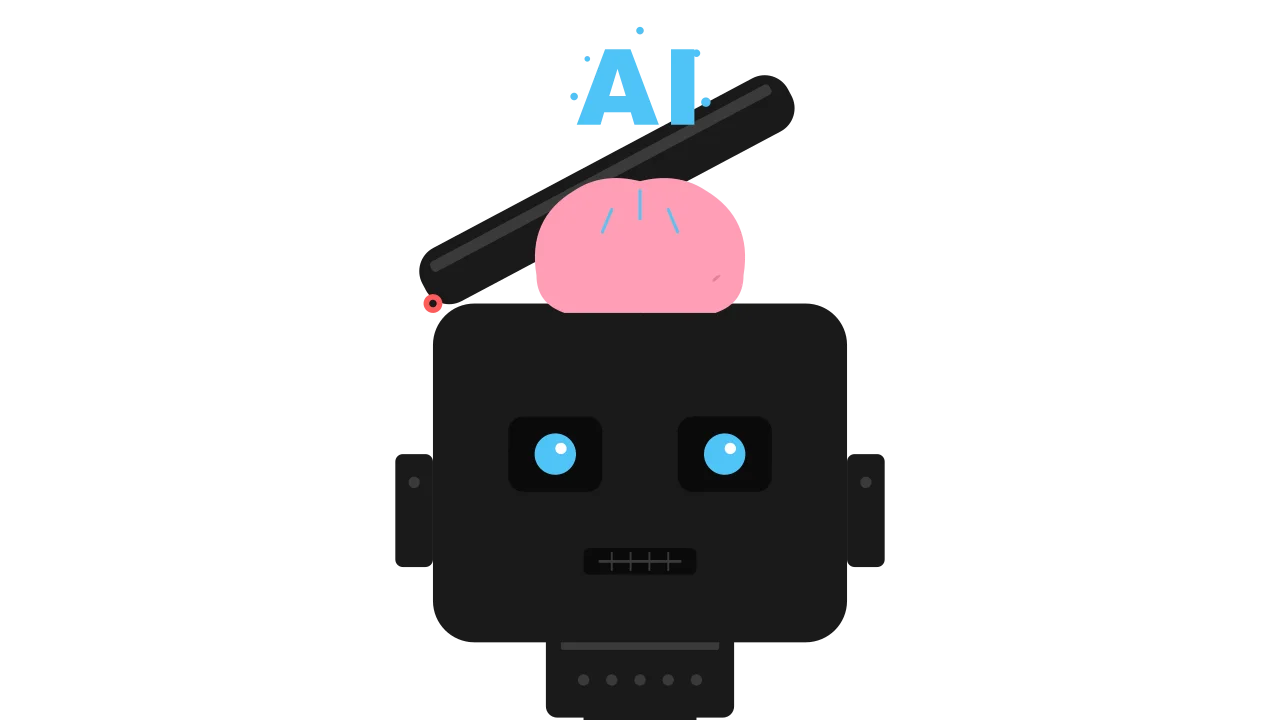
Every major humanoid robot has a different answer to the same question: how should a machine think? Eight AI systems compared — from end-to-end VLA to open app stores — and what they reveal about who might win.
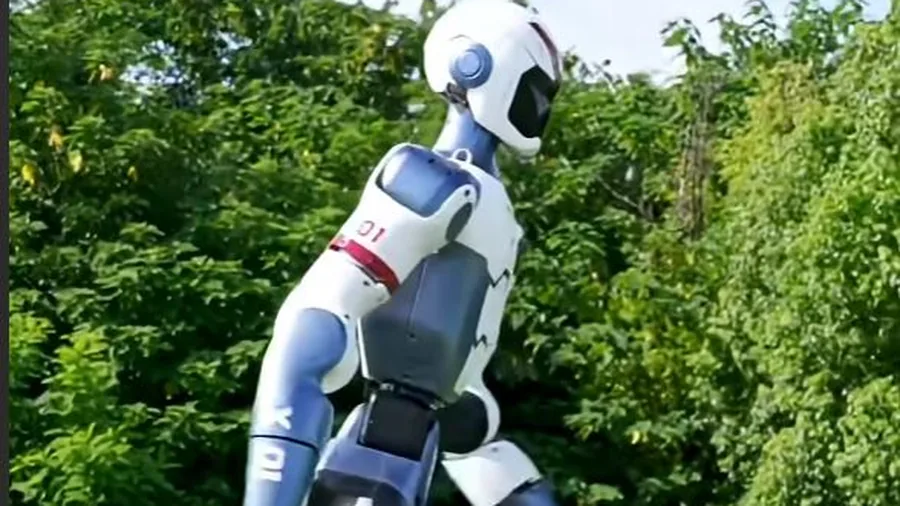
The first humanoid robot to break the $5,000 barrier. Not full-size, not perfect — but the price point that starts the hardware-software flywheel and changes what every competitor now has to answer for.
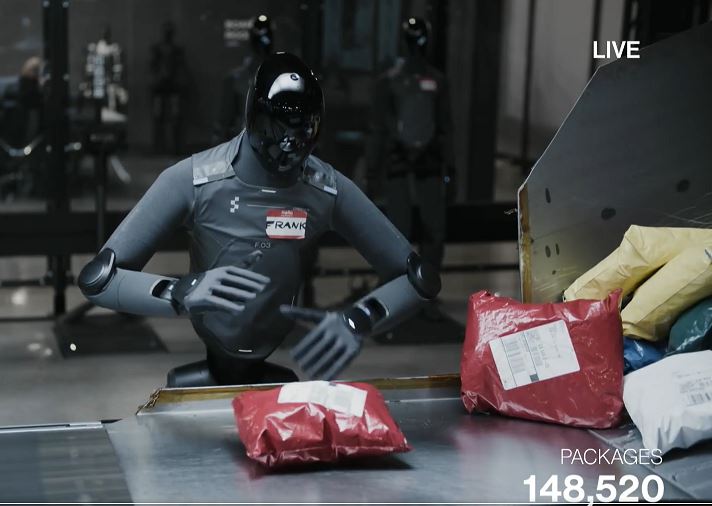
Three robots. Eighty-one hours. One hundred thousand packages. Zero human interventions. What Figure AI streamed live this week is not another demo — it is a signal about the world we are entering, and most people did not fully understand what they were watching.

Two product categories shipped in seven days. Best-in-class motor skills. The only consumer-priced humanoid lineup. A live developer marketplace. Unitree just won the first battle of the humanoid war. The decade ahead decides which playbook they actually end up following — and the difference is almost entirely within their control.

Unitree just opened a marketplace where third-party developers can sell skills, moves and behaviours for its robots. The Fortnite emote parallel is the hook — the platform play underneath is the actual story, and it changes how a mid-cap robotics company competes with giants.
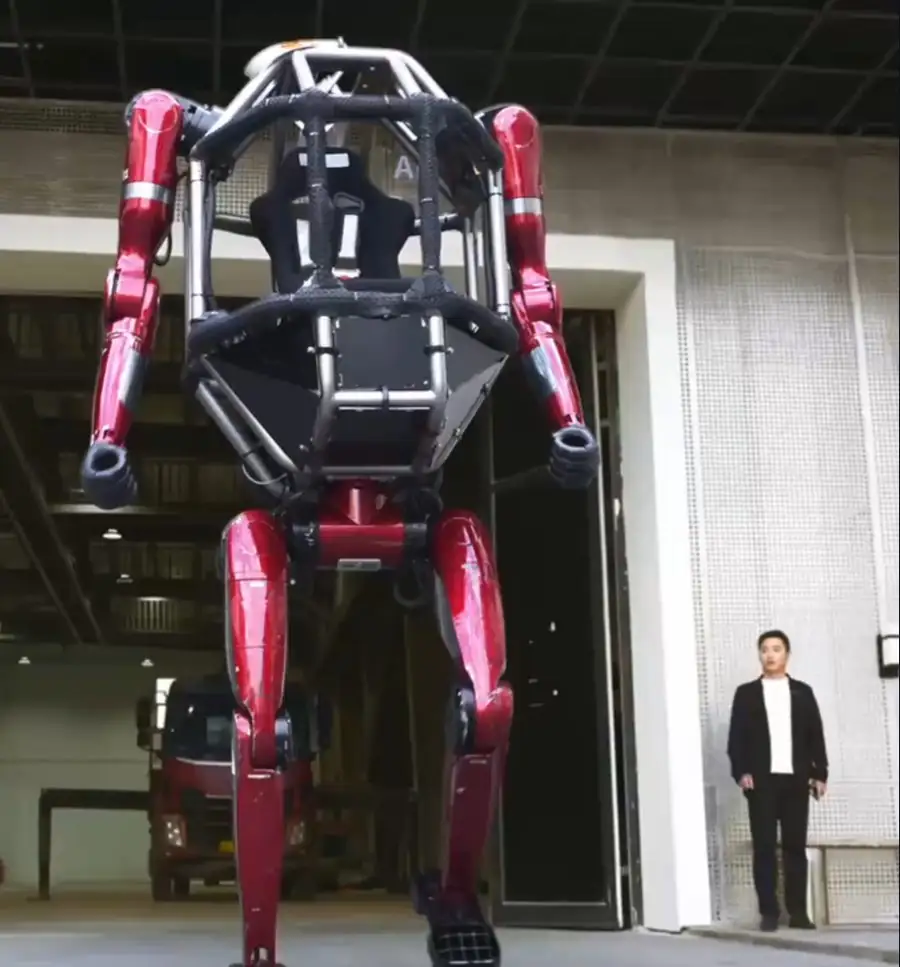
Unitree just unveiled a 2.7-metre, 500 kg transformable mecha you can climb inside — and yes, it looks exactly like the AMP suit from Avatar. Why a $650,000 piloted robot is impressive, why it does not fit the human world yet, and why the long-term bet is still real.
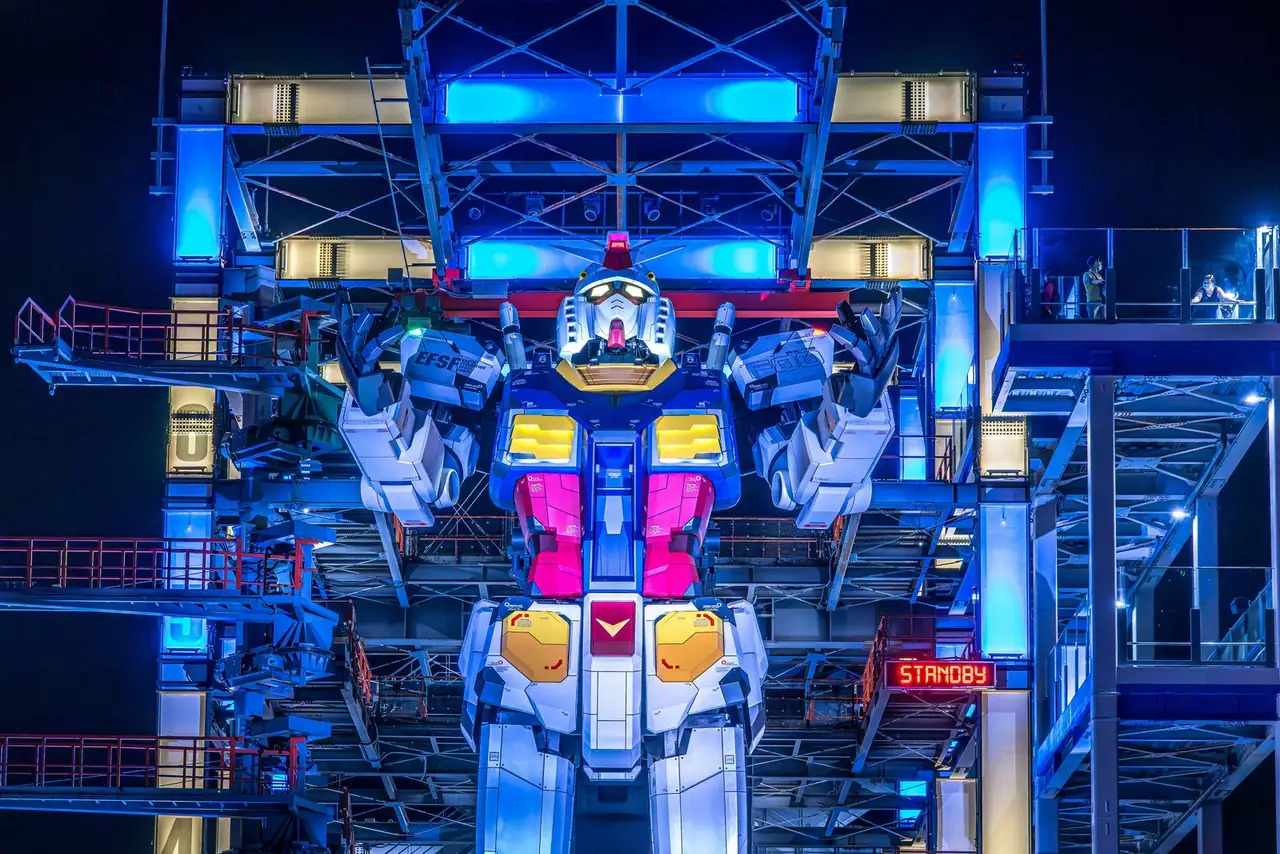
How many humanoid robots will Tesla, Xpeng, Figure, Boston Dynamics, Unitree and the rest of the field actually build in 2026 and 2027? A side-by-side look at announced production targets — and how realistic each one is.
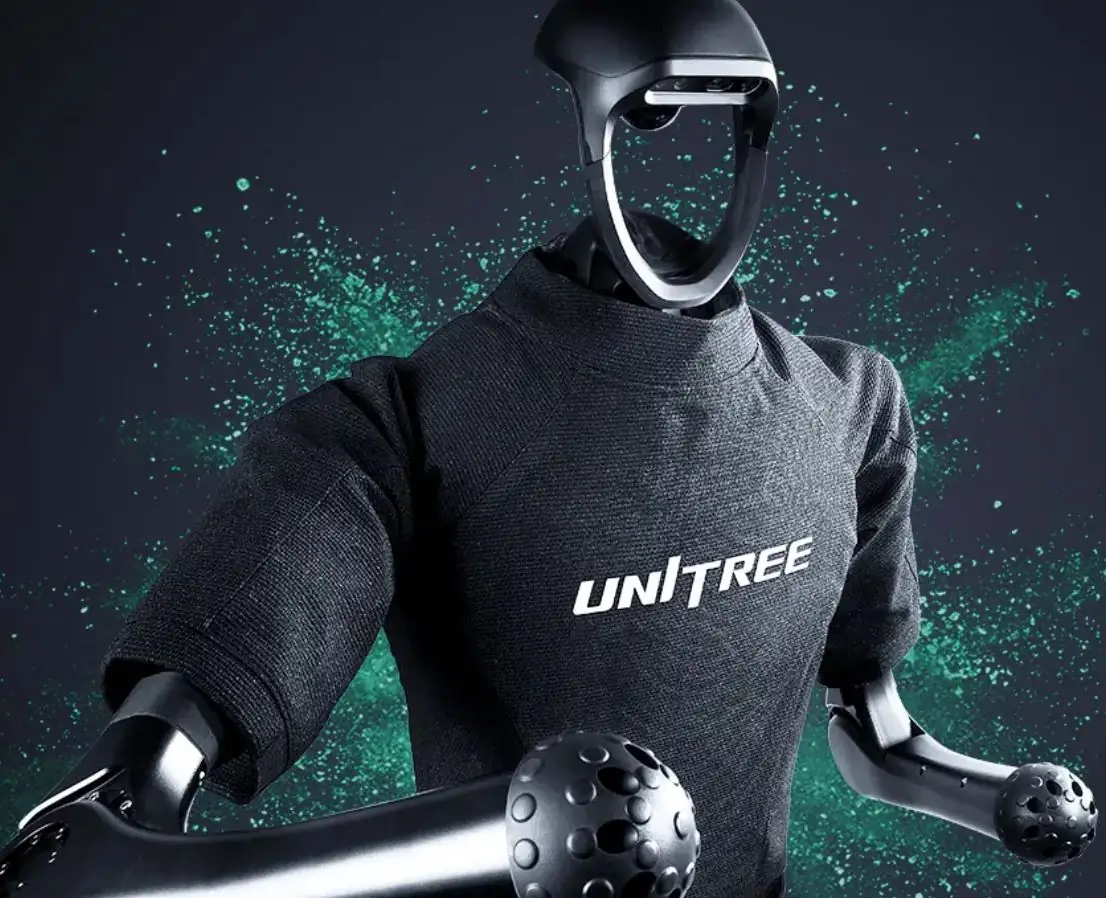
Degrees of freedom are the most underappreciated number on a robot's spec sheet. A look at why DOF dictates reachability, dexterity, locomotion — and ultimately what a machine can and cannot do.
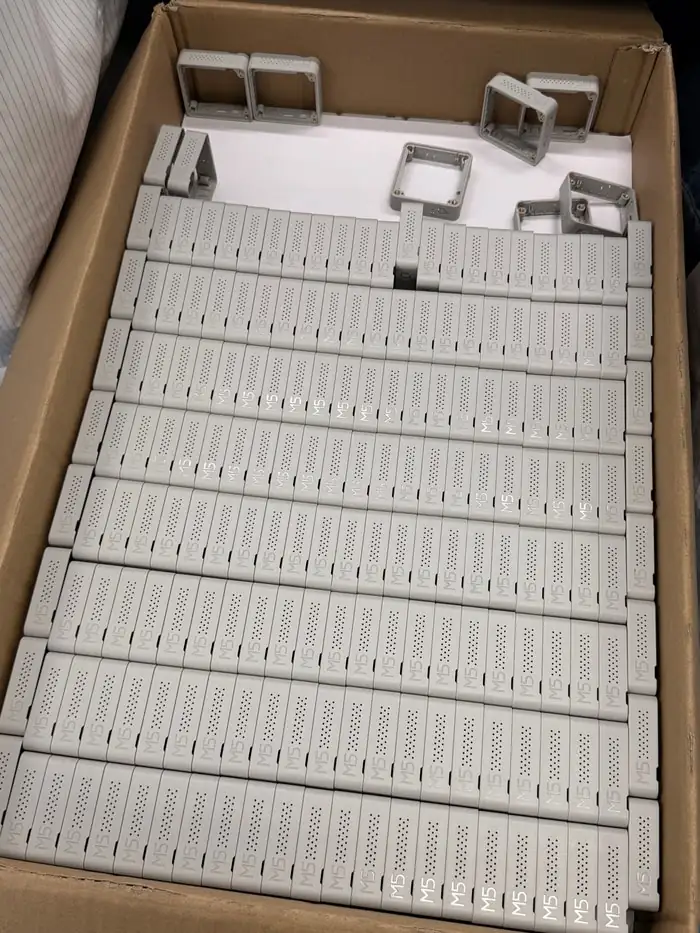
The most interesting robots of the last decade did not come from billion-dollar labs. They came from crowdfunded indie teams. Here is the hall of fame — and why we put our own money on Stack-chan, the open-source desktop companion arriving on our desk in days.
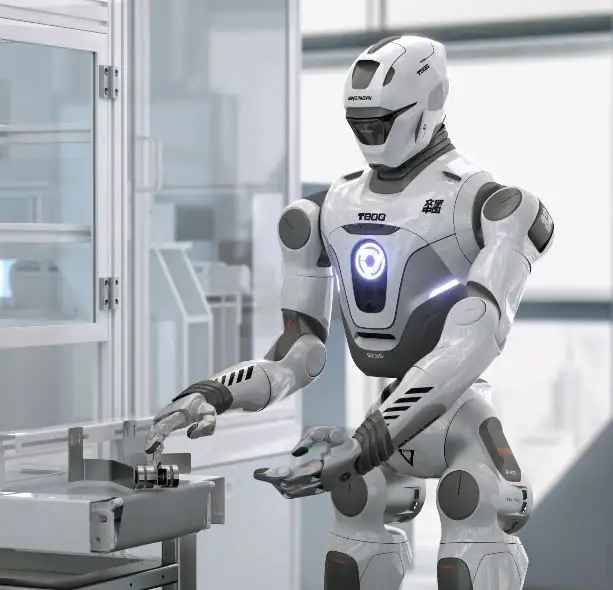
EngineAI lists it at 173 cm and 75–85 kg. The product card has no thermal camera and no police link. The night-patrol story is the essay; it is not the published spec.
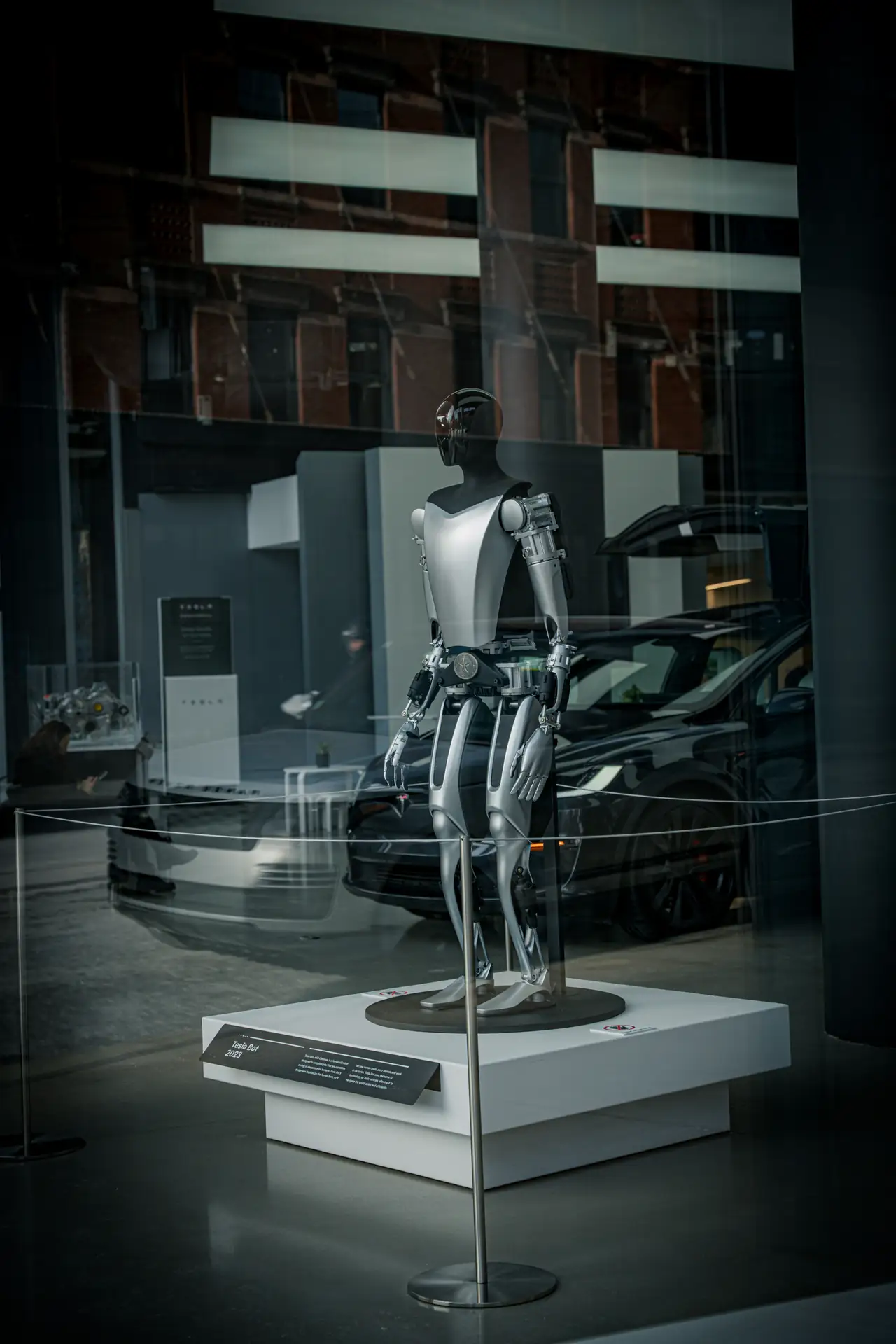
Tesla, BMW, Mercedes, Hyundai, Toyota, BYD, Xpeng — they're all in. This isn't a trend; it's the logical consequence of the EV transition, factory economics, and a bet on an entirely new consumer market.
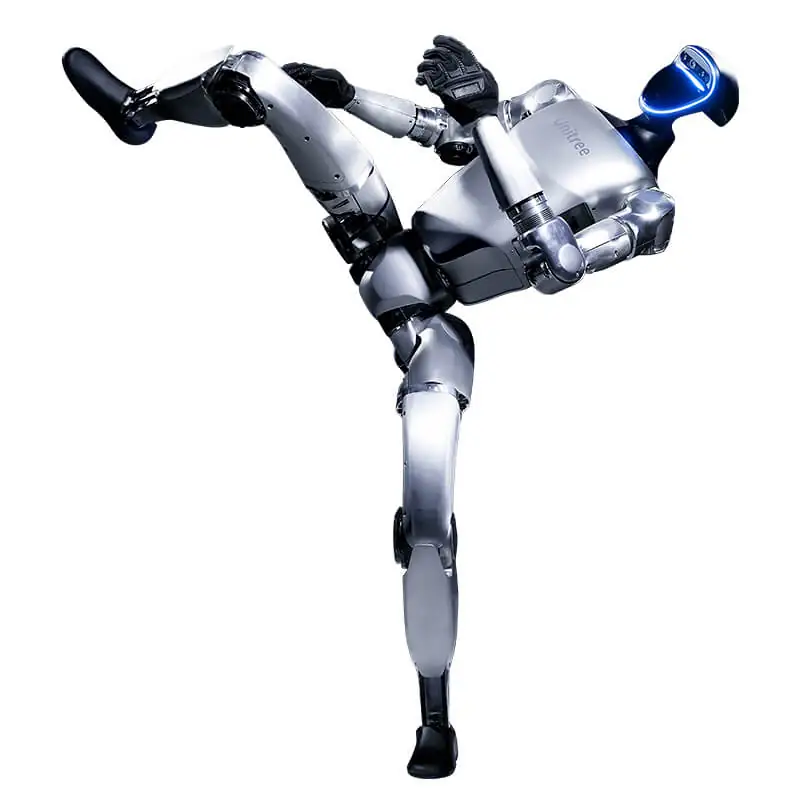
Most humanoid robot companies won't tell you what their product costs. A look at why this opacity is holding the entire industry back — and why Unitree's move to sell on AliExpress at $4,370 changes the conversation.
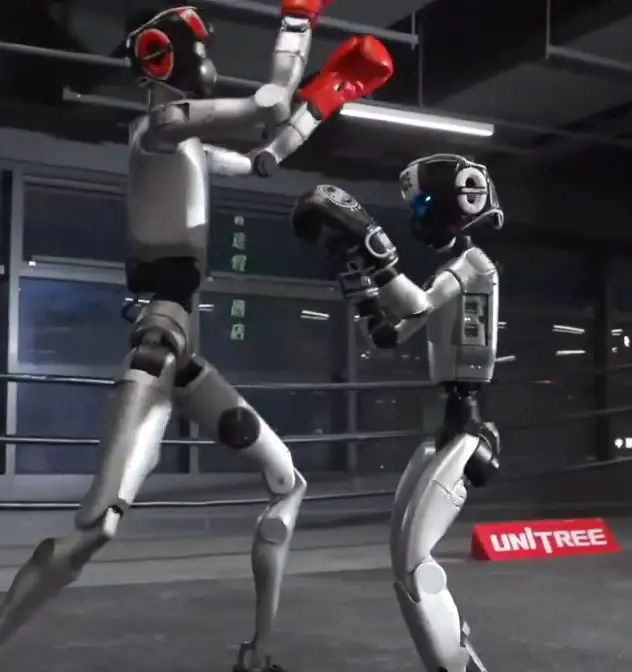
Dancing, obstacle courses, half marathons — when robots compete, they're not performing. They're proving something no spec sheet can. Here's why these challenges matter more than any lab demo.
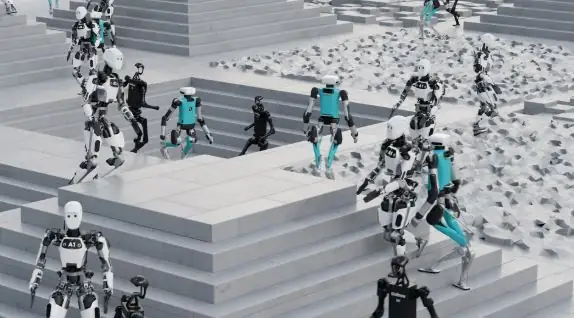
Before a robot takes a single step on a factory floor, it may have walked millions of kilometres in software. A look at how simulators like Isaac Sim, MuJoCo and Genesis are replacing the real world as the primary training ground for robot intelligence.
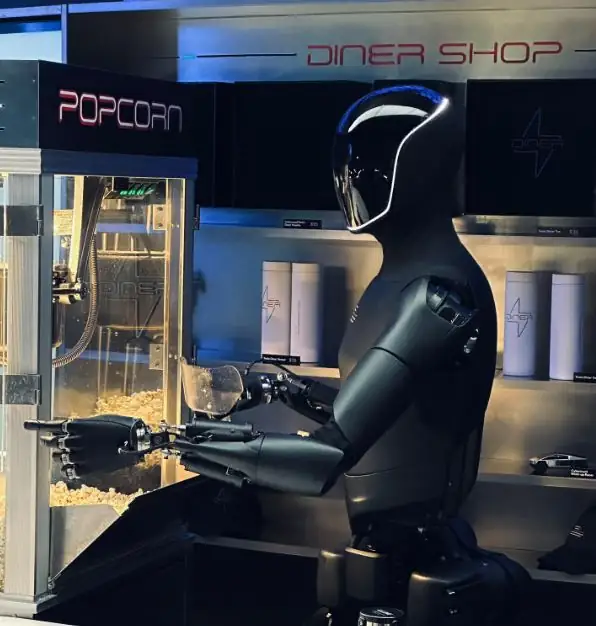
A million units by end of 2025. A price tag that could eventually undercut the cost of a used car. Is this bold ambition or the closest the industry has ever come to delivering the robot Asimov dreamed of?
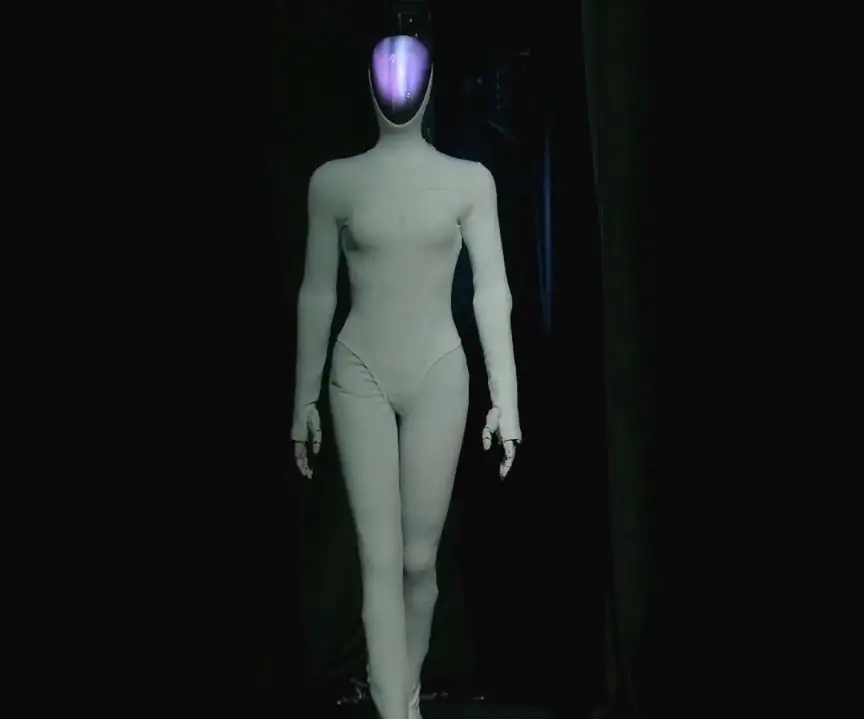
From electric vehicles to humanoid robots — Xpeng is transferring everything it learned about mass-market autonomy into Iron, a robot designed for factories first and homes next.
Robots
Humanoid
Explore
Brands
Follow
© 2026 RobotTesters.com — independent robot reviews. Scores are editorial, prices are informational, and we sell nothing. info@robottesters.com